Asakusa
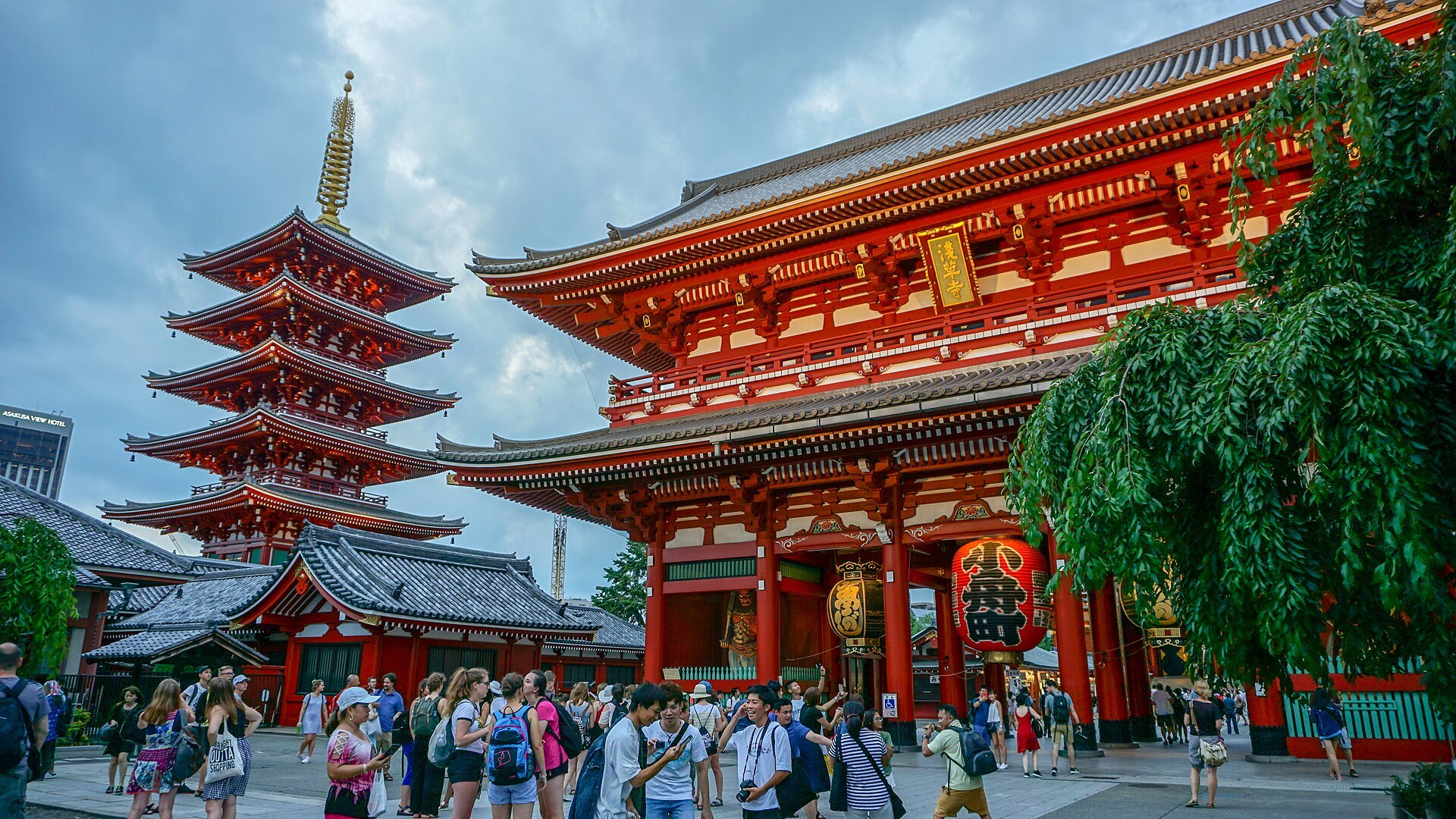
Senso-ji, the oldest temple in Tokyo, with the Kaminarimon gate and the Nakamise shopping street, 14 km from the port.
At a glance
Senso-ji is the oldest temple in Tokyo, a centre of worship that draws some 30 million visitors a year.
Asakusa is the old riverside district of eastern Tokyo that grew up around Senso-ji, the temple of the Bodhisattva Kannon. According to the temple, two fishermen found the statue of Kannon in the Sumida River in 628, and a first hall was built in 645. In the Edo period Asakusa became the popular entertainment centre of the city, and it still keeps a more traditional atmosphere than most of Tokyo.
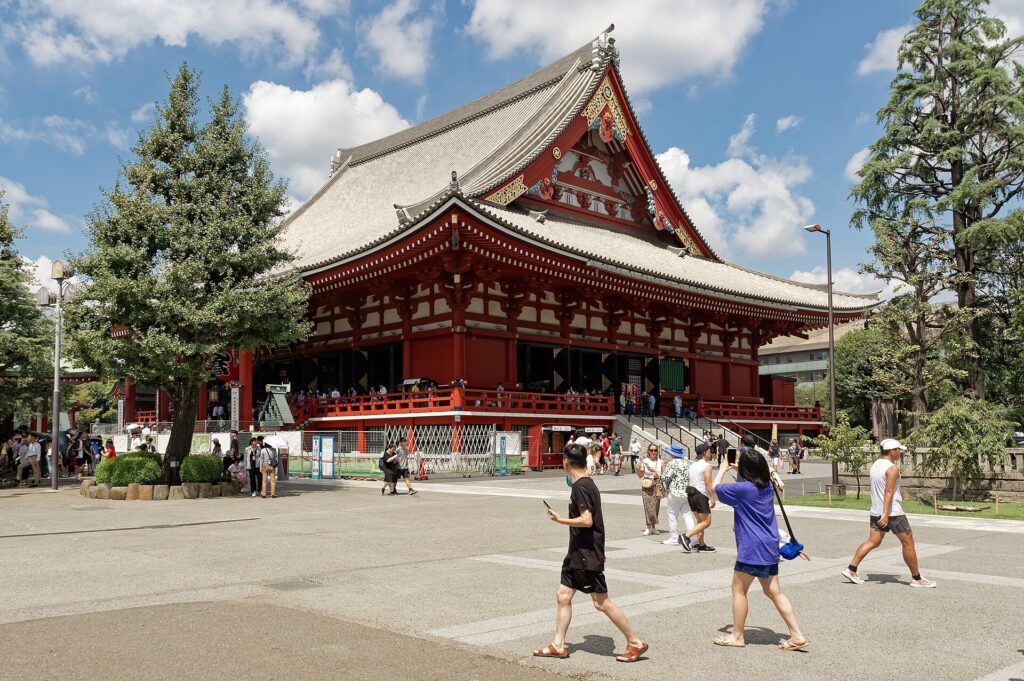
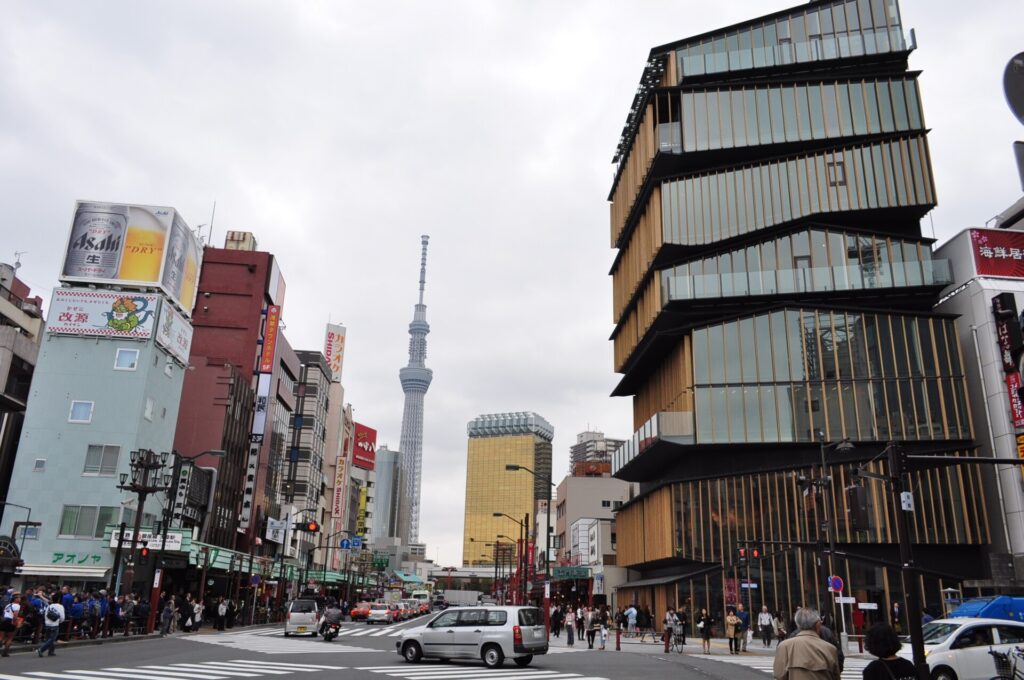
Most of the temple buildings were destroyed in the air raid of March 1945 and rebuilt afterwards: the Main Hall in 1958, the Kaminarimon gate in 1960 and the Five-Storied Pagoda in 1973. The approach starts at the Kaminarimon with its huge red lantern, follows the Nakamise shopping street and passes through the Hozomon gate to the Main Hall. Around the temple there are side streets with craft shops and small restaurants, and across the Sumida River stands the Tokyo Skytree.
For cruise passengers it is the classic half day in Tokyo. From the Tokyo International Cruise Terminal you take the Yurikamome to Shimbashi and the Ginza metro line to Asakusa, about an hour in total. The visit itself takes two to three hours, and arriving early avoids the densest crowds on Nakamise.
Official websiteGetting there from the port
3 optionsYour day in port
Example: call from 08:00 to 18:00, all aboard at 17:30.
- 08:30Ashore and to the YurikamomeWalk 8 minutes to Tokyo International Cruise Terminal station and ride to Shimbashi.
- 09:00Ginza line to AsakusaChange at Shimbashi to the Ginza line and ride to the end of the line at Asakusa.
- 09:30Kaminarimon and NakamiseWalk through the gate and along Nakamise before the shops get crowded.
- 10:15Senso-jiHozomon, Main Hall and Five-Storied Pagoda, then the quieter side halls.
- 12:00Lunch in AsakusaLunch in the streets around the temple, then a walk to the Sumida River for the view of the Skytree.
- 14:30Back to the shipGinza line to Shimbashi and Yurikamome to the terminal, to be on board by 16:30.
What to see
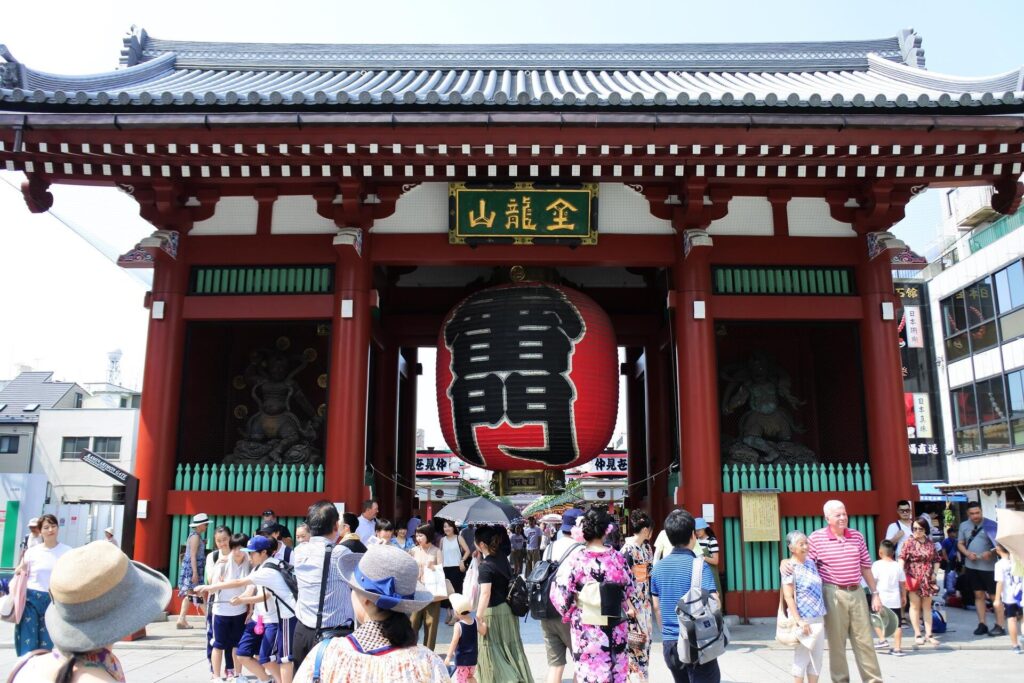
- 1KaminarimonThe outer gate with its giant red paper lantern, rebuilt in 1960 with a donation from the founder of Panasonic.
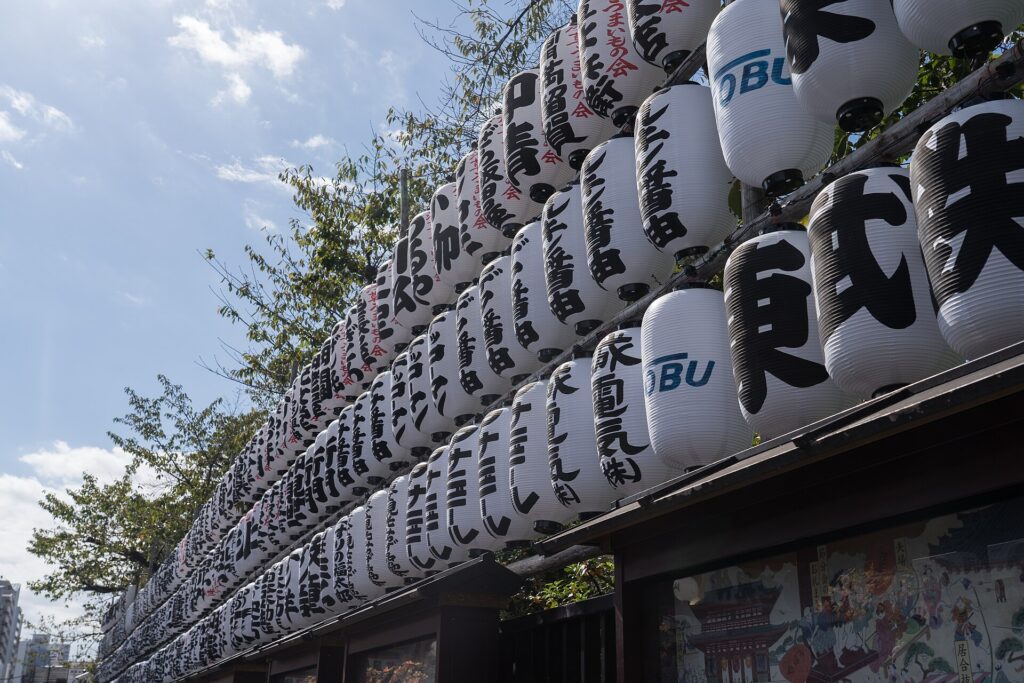
- 2NakamiseOne of the oldest shopping streets in Japan, lined with stalls selling traditional toys, sweets and souvenirs.
- 3HozomonThe two-storey inner gate, also called Nio-mon, guarded by two large statues.
- 4Main Hall (Kannondo)The hall of the hidden statue of Kannon, rebuilt in 1958 after the original was destroyed in 1945.
- 5Five-Storied PagodaFirst built in 942 and rebuilt in 1973, beside the Main Hall.
- 6Around the templeBentendo Hall, Awashimado Hall and the side streets of Asakusa, with views of the Tokyo Skytree from the Sumida River.
Tips for cruise passengers
- Go earlyThe Main Hall opens at 06:00 (06:30 from October to March) and closes at 17:00; Nakamise gets very busy from late morning, especially at weekends.
- Yurikamome and metroPay with a Suica or PASMO card, or with the Yurikamome tap-to-ride option; the Yurikamome one-day pass costs ¥820 if you also plan to visit Odaiba.
- Temple etiquettePurify your hands at the water pavilion before praying; photos are allowed in the grounds but be discreet inside the halls.
- No parkingThe temple has no car park; taxis drop off near the Kaminarimon.
- FestivalsThe temple holds events through the year, such as the Hagoita market from 17 to 19 December, which add colour but also crowds.
Accessibility & families
The temple grounds are flat and there is a lift on the left side of the Main Hall, with accessible toilets beside the Hozomon and behind the Main Hall. Nakamise is crowded with strollers at peak times, so mornings are easier with children.
In pictures