 United States Alaska
 Glacier Bay National Park
A full day of scenic cruising in a national park in Southeast Alaska, up the bay to the tidewater glaciers of Tarr Inlet.
Ships spend about nine hours in the park and stop for about an hour in front of a tidewater glacier. Park rangers come aboard for the day.
Glacier Bay National Park and Preserve covers about 13,300 km² (3.3 million acres) of mountains, glaciers and fjords west of Juneau, in Southeast Alaska. It became a national monument in 1925 and a national park in 1980, and it is part of a UNESCO World Heritage Site shared with Wrangell-St. Elias and two Canadian parks, Kluane and Tatshenshini-Alsek. It is also the homeland of the Huna Tlingit. Some 250 years ago the bay was filled with ice; today eight glaciers within the bay still reach the sea.
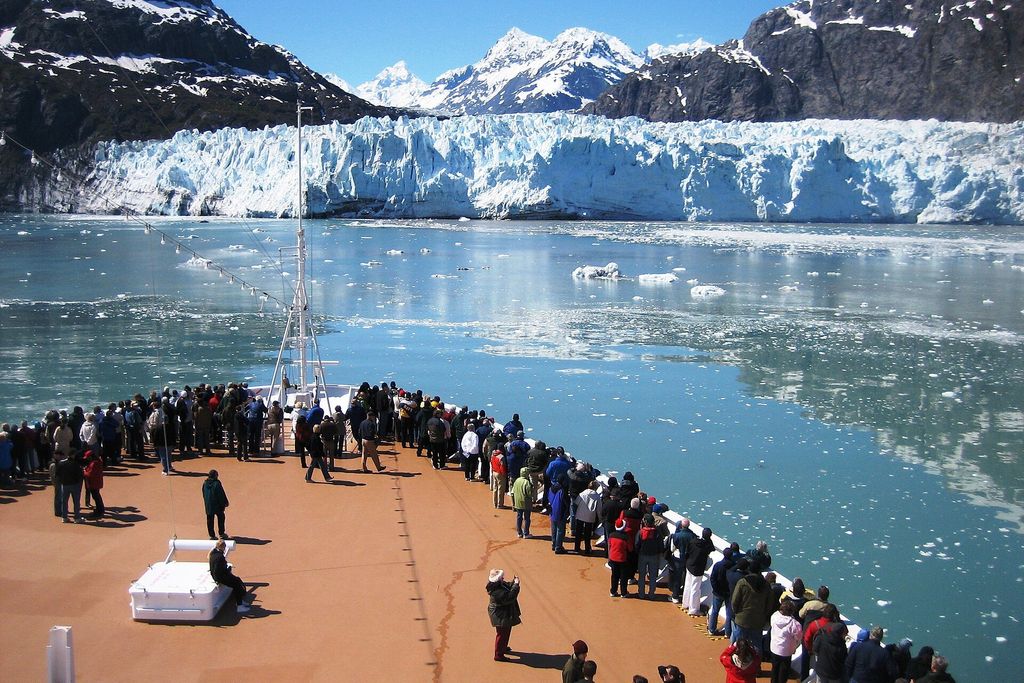
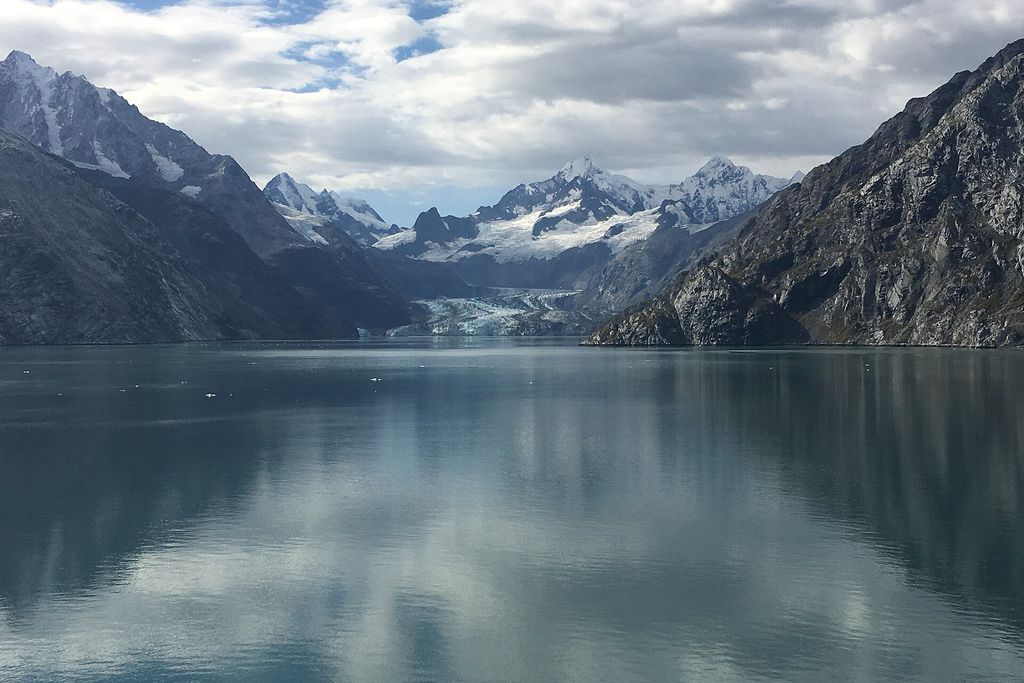
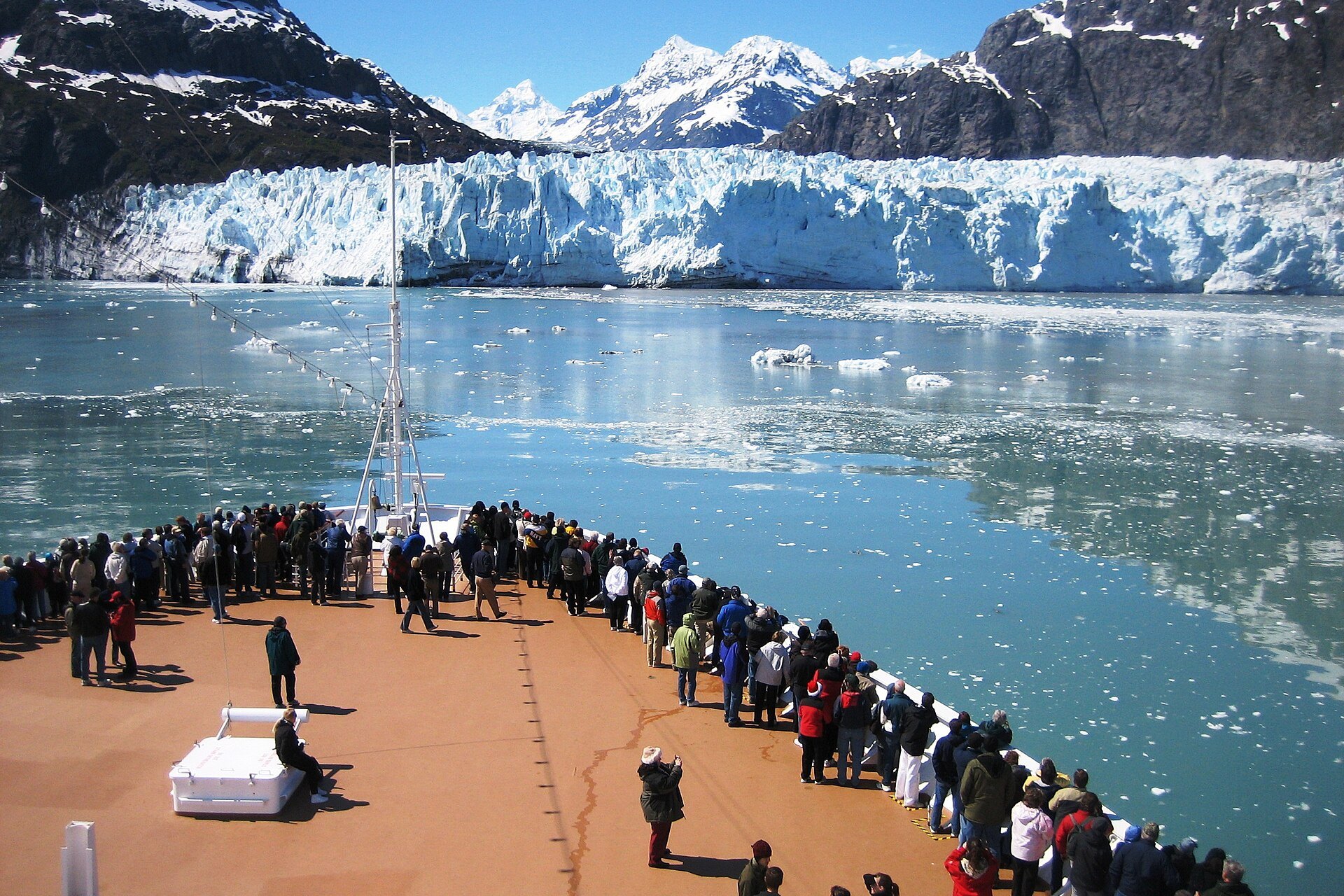
Cruise ships do not dock and nobody goes ashore. Ships spend nine to ten hours in the park and cover over 190 km (120 miles) up the bay and back. The main stop is about an hour in front of Margerie Glacier, at the head of Tarr Inlet: its face is about 1.4 km (0.85 miles) wide and some 60 m (200 feet) high. Johns Hopkins Glacier is usually seen from the mouth of its inlet, which is closed to cruise ships from May to August to protect harbour seals. Park rangers board every ship for the day, and many lines also carry Huna Tlingit cultural interpreters.
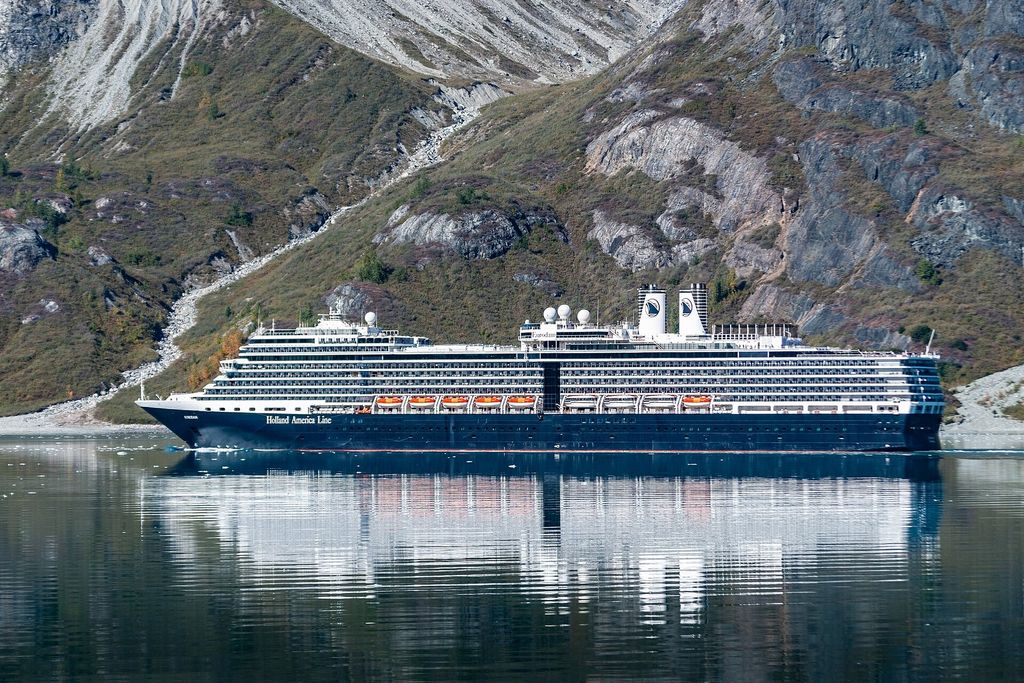
The National Park Service allows no more than two cruise ships a day, with seasonal quotas, under ten-year contracts that run until 2029. Princess, Holland America, Norwegian, Seabourn, Cunard and Viking hold them. Glacier Bay is on many seven-night round trips from Seattle and Vancouver and on one-way cruises across the Gulf of Alaska, from May to September.
How the day goes
- 06:15Rangers come aboardThe ship enters the park through Sitakaday Narrows, near Bartlett Cove. Park rangers board from a boat and stay on the ship for the whole day.
- 08:00Up the bayCommentary starts as the ship sails north past South Marble Island, where Steller sea lions rest. Watch for humpback whales, sea otters and mountain goats.
- 10:45Margerie GlacierAbout an hour in front of Margerie Glacier, at the head of Tarr Inlet, with Grand Pacific Glacier beside it. The ship turns slowly so both sides get the view.
- 12:30Johns Hopkins and LamplughOn the way back the ship stops at the mouth of Johns Hopkins Inlet, next to Lamplugh Glacier. In September it may sail into the inlet.
- 15:15Leaving the parkAfter the return trip down the bay, the rangers leave the ship near Bartlett Cove and the ship heads out through Icy Strait to its next port.
Map of Glacier Bay National Park
Climate
Average daily temperatureCool and often wet: summer highs of 10 to 15 °C, colder and windier on deck near the ice. Rain, low cloud and fog are common; April to June are usually the driest months, September the wettest.
Cruises that sail into Glacier Bay National Park
Seattle· at sea ·JuneauGlacier Bay National ParkIcy Strait Point (Hoonah)SitkaKetchikan Victoria (British Columbia)SeattleVancouver· at sea ·KetchikanJuneauSkagwayGlacier Bay National Park· at sea ·Anchorage (Whittier)· at sea ·· at sea ·SkagwayJuneauKetchikan· at sea ·VancouverVancouver· at sea ·KetchikanJuneauSkagwayGlacier Bay National Park· at sea ·Anchorage (Whittier)· at sea ·· at sea ·SkagwayJuneauKetchikan· at sea ·VancouverVancouver· at sea ·KetchikanJuneauSkagwayGlacier Bay National ParkIcy Strait Point (Hoonah)· at sea ·Anchorage (Whittier)Vancouver· at sea ·KetchikanJuneauSkagwayGlacier Bay National Park· at sea ·Anchorage (Whittier)· at sea ·· at sea ·SkagwayJuneauKetchikan· at sea ·VancouverVancouver· at sea ·KetchikanJuneauSkagwayGlacier Bay National Park· at sea ·Anchorage (Whittier)· at sea ·· at sea ·Icy Strait Point (Hoonah)JuneauKetchikan· at sea ·VancouverVancouver· at sea ·KetchikanJuneauSkagway· at sea ·· at sea ·Anchorage (Whittier)· at sea ·Glacier Bay National ParkSkagwayJuneauKetchikan· at sea ·VancouverSeattle· at sea ·SitkaSkagwayGlacier Bay National ParkIcy Strait Point (Hoonah)Ketchikan· at sea ·Victoria (British Columbia)SeattleVancouver· at sea ·KetchikanJuneauSkagwayGlacier Bay National Park· at sea ·Anchorage (Whittier)· at sea ·· at sea ·SkagwayJuneauKetchikan· at sea ·VancouverSeattle· at sea ·SitkaGlacier Bay National Park· at sea ·Icy Strait Point (Hoonah)JuneauKetchikan· at sea ·Victoria (British Columbia)SeattleSeattle· at sea ·Icy Strait Point (Hoonah)Glacier Bay National ParkSitkaKetchikanVictoria (British Columbia)SeattleSeattle· at sea ·KetchikanSitkaSkagwayGlacier Bay National ParkIcy Strait Point (Hoonah)Juneau· at sea ·Victoria (British Columbia)SeattleSeattle· at sea ·SitkaJuneauSkagwayGlacier Bay National ParkKetchikan· at sea ·Victoria (British Columbia)SeattleSeattle· at sea ·KetchikanJuneauSkagwayIcy Strait Point (Hoonah)SitkaGlacier Bay National Park· at sea ·· at sea ·VancouverSeattle· at sea ·SitkaSkagwayGlacier Bay National ParkJuneauIcy Strait Point (Hoonah)Ketchikan· at sea ·Victoria (British Columbia)SeattleSeattle· at sea ·JuneauGlacier Bay National ParkKetchikan· at sea ·Victoria (British Columbia)Seattle
No cruises match these filters. Try another month or clear the filters.
Tips for your call
- Warm layersOn deck near the ice it is cold and windy even in July. Bring a hat, gloves, a waterproof jacket and warm layers; the park warns of hypothermia all year.
- BinocularsWildlife is often far from the ship: humpback whales, brown bears on the shore, mountain goats on the cliffs, seals on the ice. Binoculars help a lot.
- Ranger programmeRangers board at the park entrance early in the morning. They give commentary over the speakers, talks and Junior Ranger activities. Check the daily programme.
- Where to watch fromThe bow and the open upper decks give the widest view, and many ships open the bow at the glacier. In rain, forward lounges with large windows are an option.
- Johns Hopkins InletFrom May to August cruise ships stay out of this inlet to protect seal pups and view Johns Hopkins Glacier from about 11 km away. In September they may go in.
- PhotographyIce breaks off the glacier face at any moment, so stay in one spot for a while. A zoom lens helps for wildlife and for details of the ice face.
In pictures