 United States Alaska
 Hubbard Glacier
A few hours of scenic cruising in Disenchantment Bay, north of Yakutat, in front of the largest tidewater glacier in North America.
Ships sail up Yakutat Bay and stop in front of an ice face about 10 km wide. How close they get depends on the floating ice.
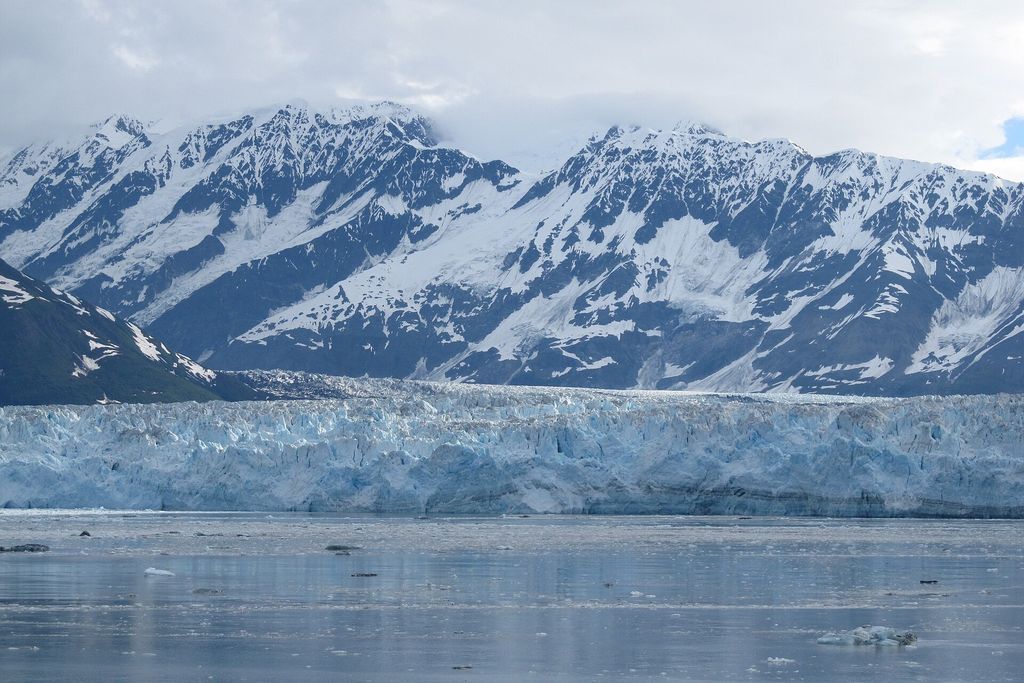
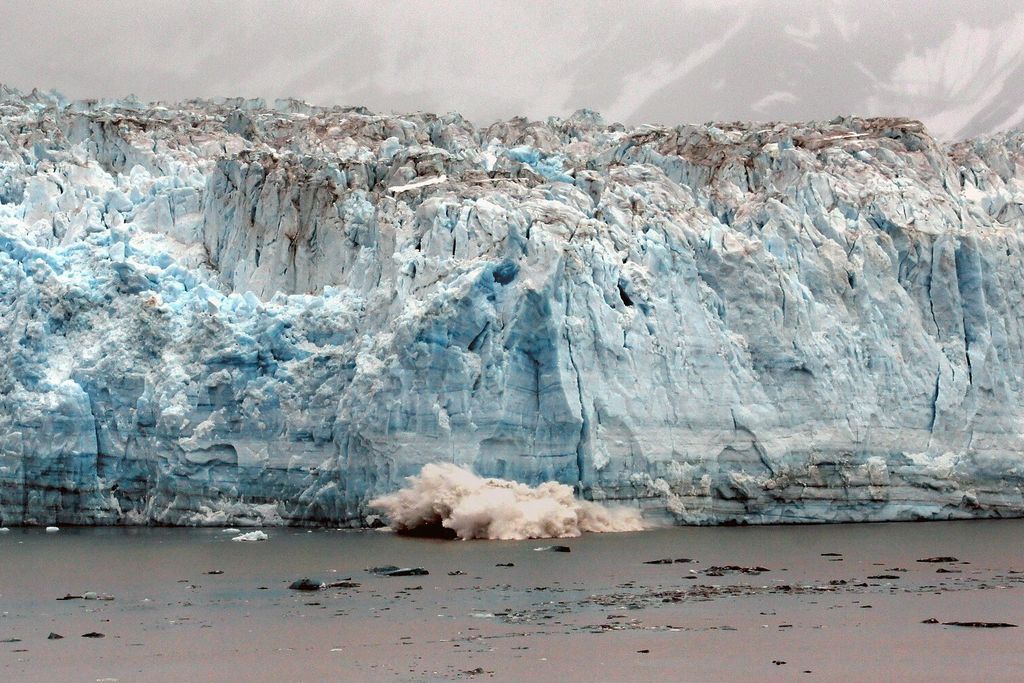
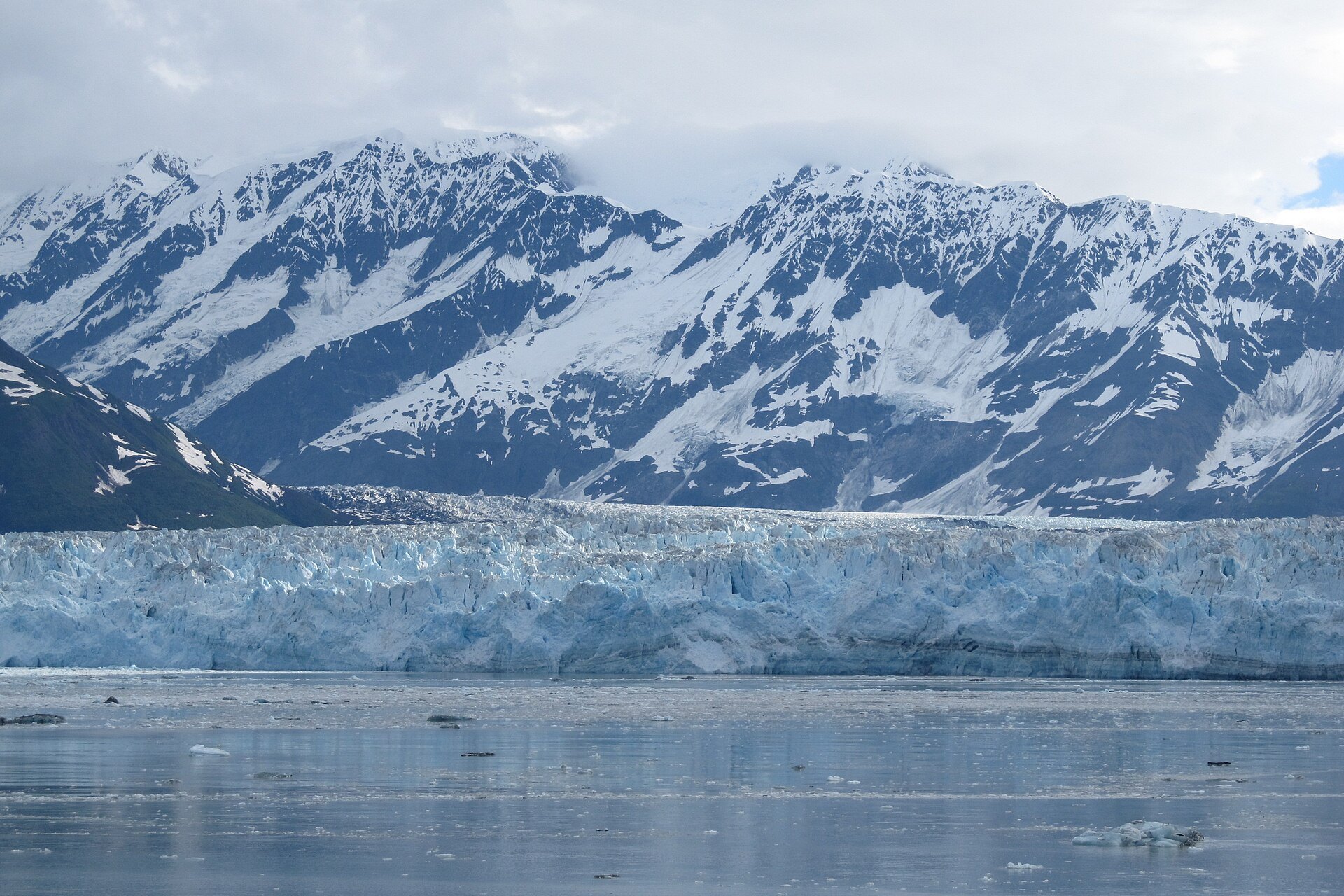
Hubbard Glacier is the largest tidewater glacier in North America. It flows about 122 km (76 miles) from the Mount Logan area in Canada's Yukon to Disenchantment Bay, at the head of Yakutat Bay, about 50 km (30 miles) north of the town of Yakutat. Its ice face is 10 to 11 km (6 to 7 miles) wide and rises around 100 m (350 feet) above the water. Unlike most glaciers in Alaska, it has been advancing for more than a century, by about 25 m (80 feet) a year on average since 1895. Twice, in 1986 and in 2002, it blocked the entrance to Russell Fiord and turned it into a lake; both ice dams burst within months. Scientists expect it to close the fiord again.
Ships do not dock and nobody goes ashore. They sail up Yakutat Bay into Disenchantment Bay and stop in front of the face, then turn slowly so both sides get the view. Visits last a few hours. How close the ship gets depends on the floating ice, fog and the captain's judgement: from under a kilometre in good conditions to several kilometres when there is a lot of ice. Some lines sell excursions on a smaller boat that goes closer.
Hubbard Glacier is a regular stop on one-way cruises across the Gulf of Alaska between Vancouver and Seward or Whittier, and on some seven-night round trips from Vancouver and Seattle. Princess, Holland America, Royal Caribbean, Celebrity, Norwegian and several smaller lines visit it from May to September.
How the day goes
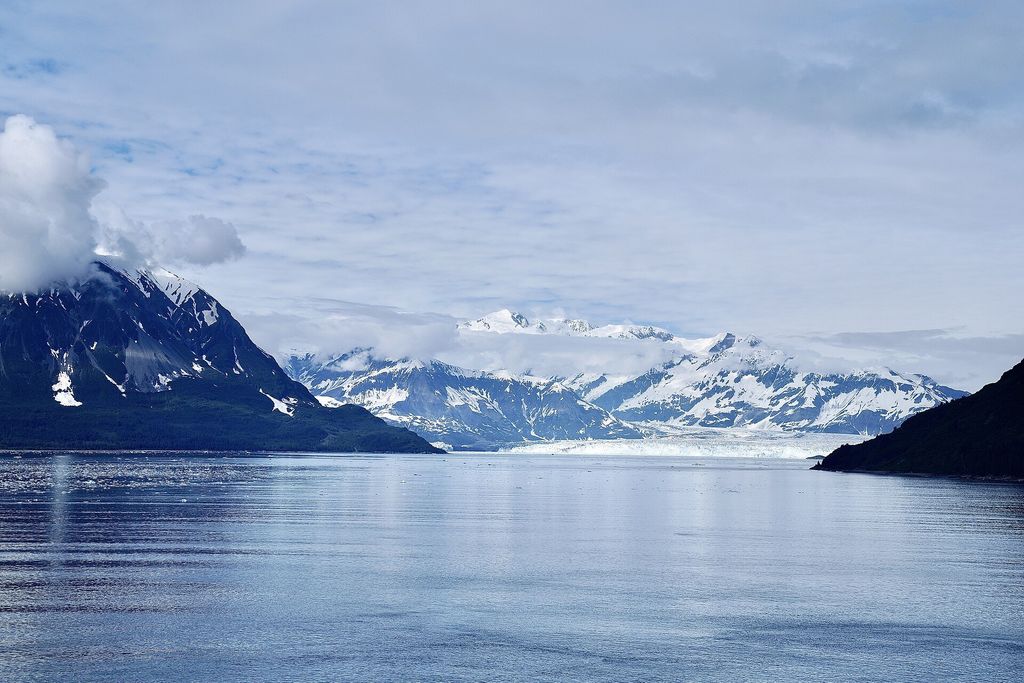
- 15:00Into Yakutat BayThe ship leaves the Gulf of Alaska and heads north up Yakutat Bay. On clear days the peaks of the Saint Elias Mountains rise ahead.
- 16:00Disenchantment BayPast Haenke Island the bay narrows and floating ice becomes more common. Commentary starts, and harbour seals can be seen resting on the ice.
- 16:30In front of the faceThe ship stops as close to the ice face as conditions allow and turns slowly so both sides get the view. Watch and listen for ice falling.
- 18:30Turning backThe ship sails south out of Disenchantment Bay, past Valerie and Turner glaciers on the shore, and back down Yakutat Bay.
- 20:00Back to the open seaThe ship returns to the Gulf of Alaska and sails overnight to its next port, in the Inside Passage or on the Kenai Peninsula.
Map of Hubbard Glacier
Climate
Average daily temperatureCool and very wet: in nearby Yakutat summer highs are 12 to 17 °C, and it is colder on deck near the ice. Rain, low cloud and fog are frequent; Yakutat gets about 3,560 mm of rain a year.
Cruises that sail into Hubbard Glacier
 Vancouver· at sea ·KetchikanJuneauSkagway· at sea ·· at sea ·Anchorage (Whittier)Hubbard Glacier· at sea ·SkagwayJuneauKetchikan· at sea ·VancouverVancouver· at sea ·KetchikanJuneauSkagway· at sea ·· at sea ·Anchorage (Whittier)Hubbard Glacier· at sea ·SkagwayJuneauKetchikan· at sea ·VancouverVancouver· at sea ·KetchikanJuneauSkagway· at sea ·· at sea ·Anchorage (Whittier)Hubbard Glacier· at sea ·SkagwayJuneauKetchikan· at sea ·VancouverVancouver· at sea ·KetchikanJuneauSkagway· at sea ·· at sea ·Anchorage (Whittier)Hubbard Glacier· at sea ·Icy Strait Point (Hoonah)JuneauKetchikan· at sea ·VancouverVancouver· at sea ·KetchikanJuneauSkagwayHubbard Glacier· at sea ·Anchorage (Whittier)· at sea ·· at sea ·SkagwayJuneauKetchikan· at sea ·VancouverVancouver· at sea ·KetchikanJuneauSkagway· at sea ·· at sea ·Anchorage (Whittier)Hubbard Glacier· at sea ·SkagwayJuneauKetchikan· at sea ·VancouverSeattle· at sea ·Sitka· at sea ·Hubbard GlacierIcy Strait Point (Hoonah)JuneauKetchikan· at sea ·Victoria (British Columbia)SeattleSeattle· at sea ·JuneauHubbard GlacierIcy Strait Point (Hoonah)KetchikanVictoria (British Columbia)SeattleVancouver· at sea ·KetchikanJuneauSkagwayIcy Strait Point (Hoonah)Hubbard GlacierAnchorage (Whittier)Seattle· at sea ·SitkaHubbard GlacierIcy Strait Point (Hoonah)KetchikanVictoria (British Columbia)SeattleSeattle· at sea ·Icy Strait Point (Hoonah)Hubbard GlacierSitkaJuneau· at sea ·Ketchikan· at sea ·Victoria (British Columbia)SeattleVancouver· at sea ·Icy Strait Point (Hoonah)SitkaHubbard GlacierSkagwayJuneauKetchikan· at sea ·Vancouver
No cruises match these filters. Try another month or clear the filters.
Tips for your call
- Warm clothingThe air over the ice is cold and the wind on the bow is strong. Bring a hat, gloves and a waterproof jacket, even in July and August.
- Watch and listenIce falls from the face often, and the noise can arrive a few seconds after you see it. Stay a while in one spot and keep your eyes on the face.
- BinocularsHarbour seals rest on the floating ice, and sea otters and seabirds feed in the bay. Binoculars also show the crevasses and the blue colour of the ice.
- Ice and distanceHow close the ship gets depends on the ice in the water and on visibility. With heavy ice or fog the ship may stop several kilometres away.
- Where to watch fromThe bow and the open upper decks give the best view, and ships usually turn so both sides face the glacier. Forward lounges with windows are warmer.
- Not guaranteedVisits are short, sometimes in the evening, and the captain may cut or cancel the approach for ice or weather. Check the time in the daily programme.
In pictures