Choosing between a Mediterranean cruise and one around Japan or Asia is, in a way, choosing between two travel philosophies. The first invites you to move through centuries of Western history, from sunlit plazas to cobblestone towns. The second offers immersion in ancient cultures where cutting-edge modern life lives alongside ancestral rituals. Both are extraordinary, but the experience onboard, and especially on land, is radically different.
This guide reviews the key differences between the two itineraries so you can decide which one fits your travel style best.
Jet lag: a matter of hours and hemispheres
Flying from the Americas to the Mediterranean usually means a time difference of five to seven hours. You feel it, of course: you might land in Rome or Barcelona in the morning while your internal clock insists it is still the middle of the night. Still, because the shift is moderate, most travelers adapt within a day or two. The thrill of stepping into the Colosseum or the Parthenon is often enough to stay awake until dinner, and by the second day at sea your rhythm is already aligned.
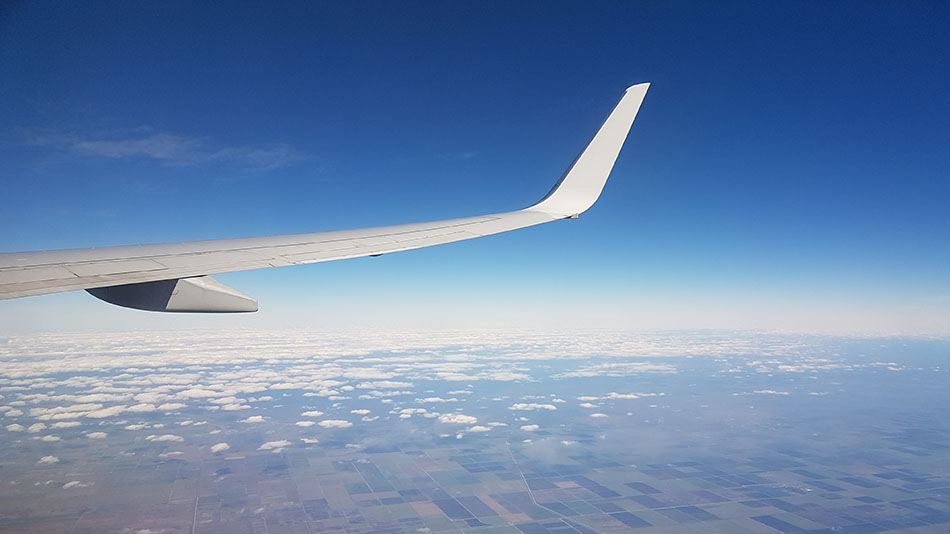
With Japan and Asia, the situation changes completely. The time difference can reach twelve to fourteen hours, which effectively flips day and night. It is common to feel wide awake at four in the morning and then crash mid-afternoon, right in the middle of a shrine visit. The body often needs four to six days to fully recalibrate, so on a seven- to ten-night cruise there is a real risk of spending a large part of the trip fighting sleep. That is why experts recommend arriving at the embarkation port at least two or three days before sailing.
Scenery and aesthetics: classical stone vs neon and bamboo
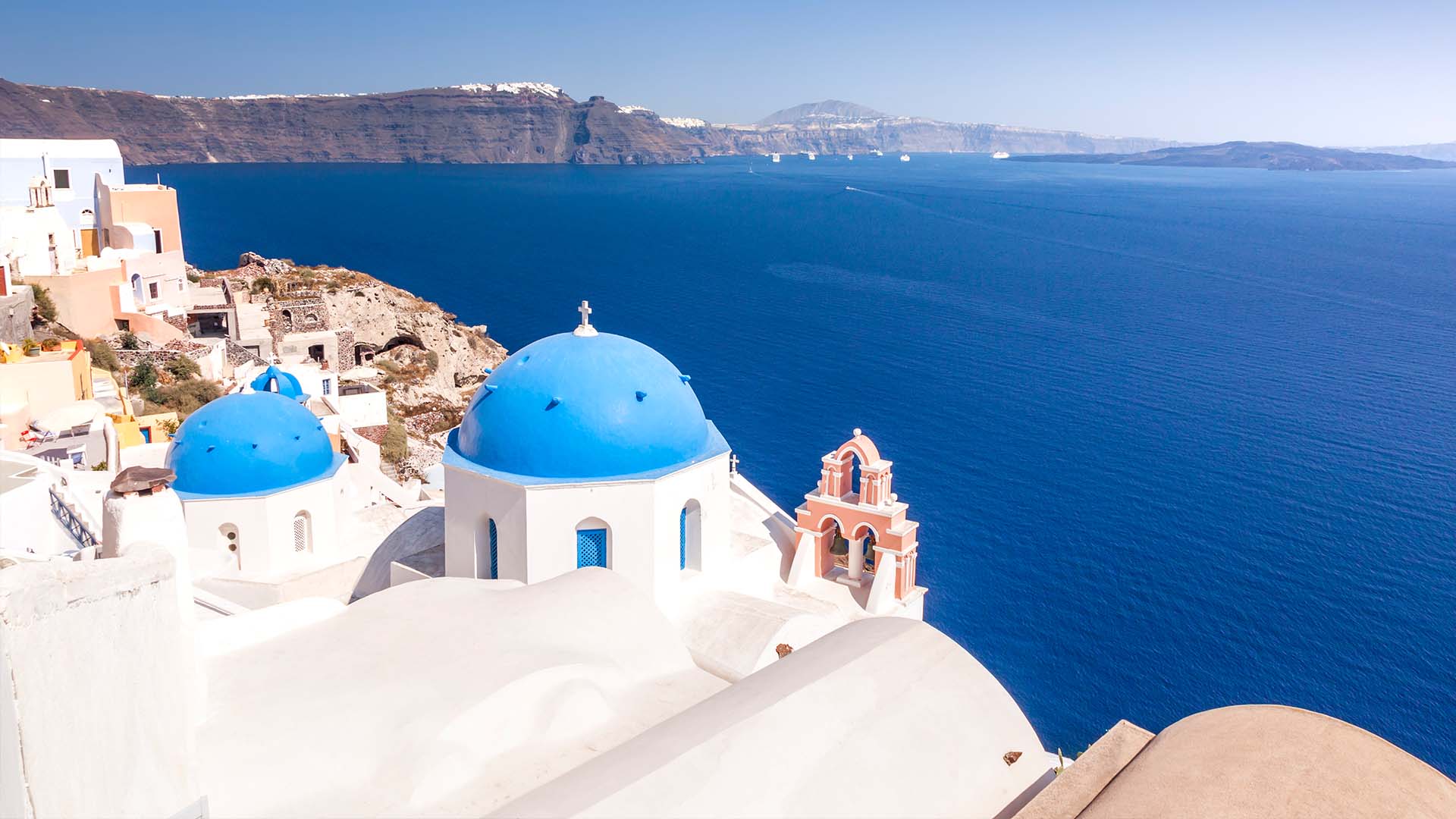
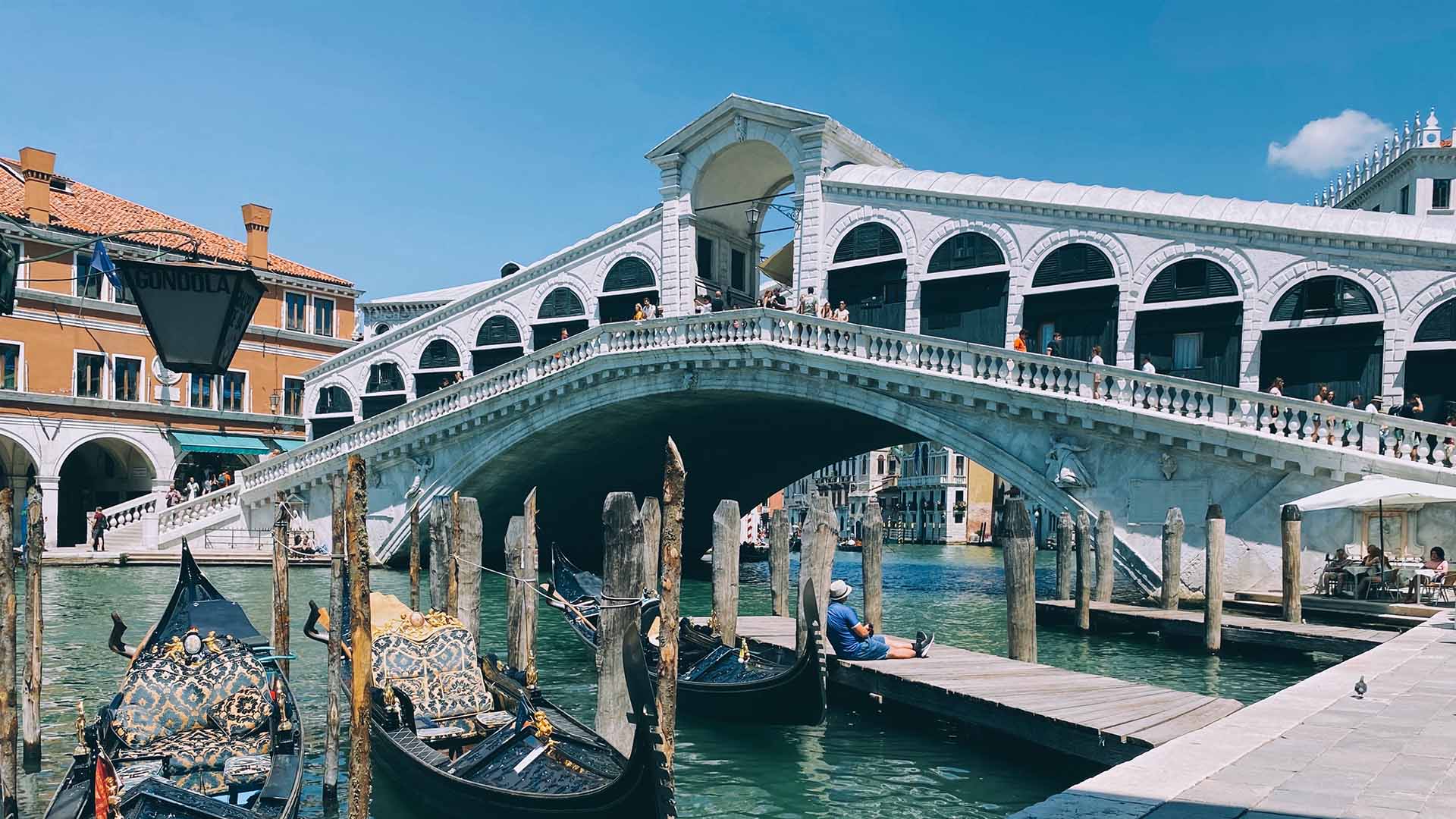
The Mediterranean is, above all, a stage for classical architecture. Roman ruins, Renaissance churches, white cliffs above turquoise water, and villages where every alley looks like it was painted in oils. Destinations such as Santorini, the Amalfi Coast, or Dubrovnik offer a beauty you feel almost instantly, with a strong historical and artistic dimension that makes each stop like an open-air museum.
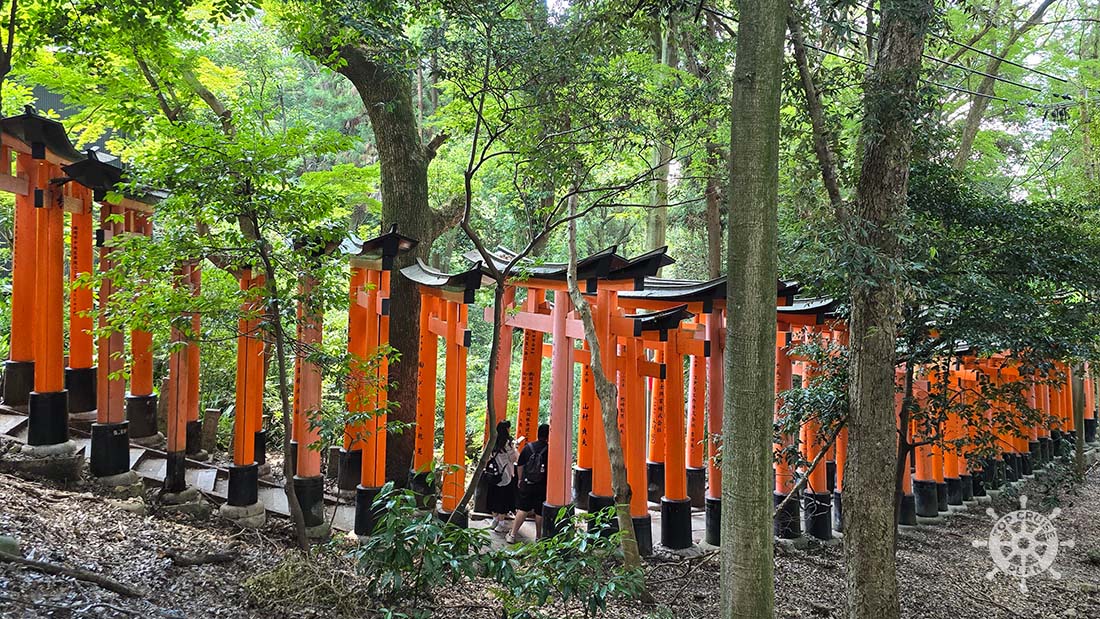
In Japan and the rest of Asia, the landscape plays with much more dramatic contrasts. Moss-covered Shinto shrines sit alongside glass skyscrapers and giant screens. In Southeast Asia, Vietnam, Thailand, and Indonesia, nature turns tropical, with dense jungle, floating markets, and golden pagodas emerging from greenery. It is a kind of beauty that benefits from cultural context to be fully appreciated, but it is utterly captivating for anyone willing to be immersed.

Logistics and ports: the advantage of proximity
One of the Mediterranean’s greatest strengths is how close the ports are to one another. On a one-week cruise, it is perfectly realistic to visit three different countries, for example Spain, France, and Italy, without any sea day feeling excessively long. Many cities such as Split, Naples, or Palma de Mallorca also let you step off the ship and start exploring almost on foot, saving time and money on transportation.
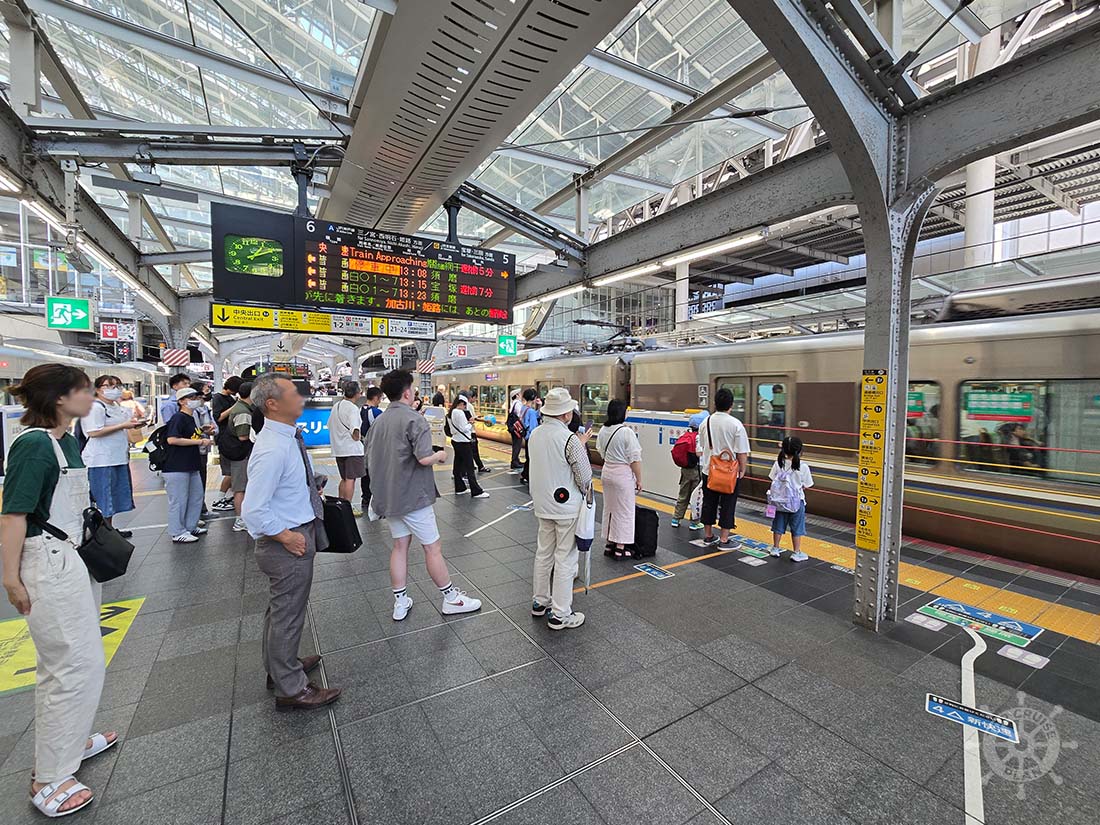
In Asia, distances between ports tend to be greater, and the docks are not always next to the city center. In Japan, for instance, it is common to need a bus, taxi, or even the famous Shinkansen bullet train to reach major sights. The upside is that Japanese public transport is probably the most efficient in the world, which makes independent exploration much easier for travelers comfortable with local logistics.
Life onboard: two very different atmospheres
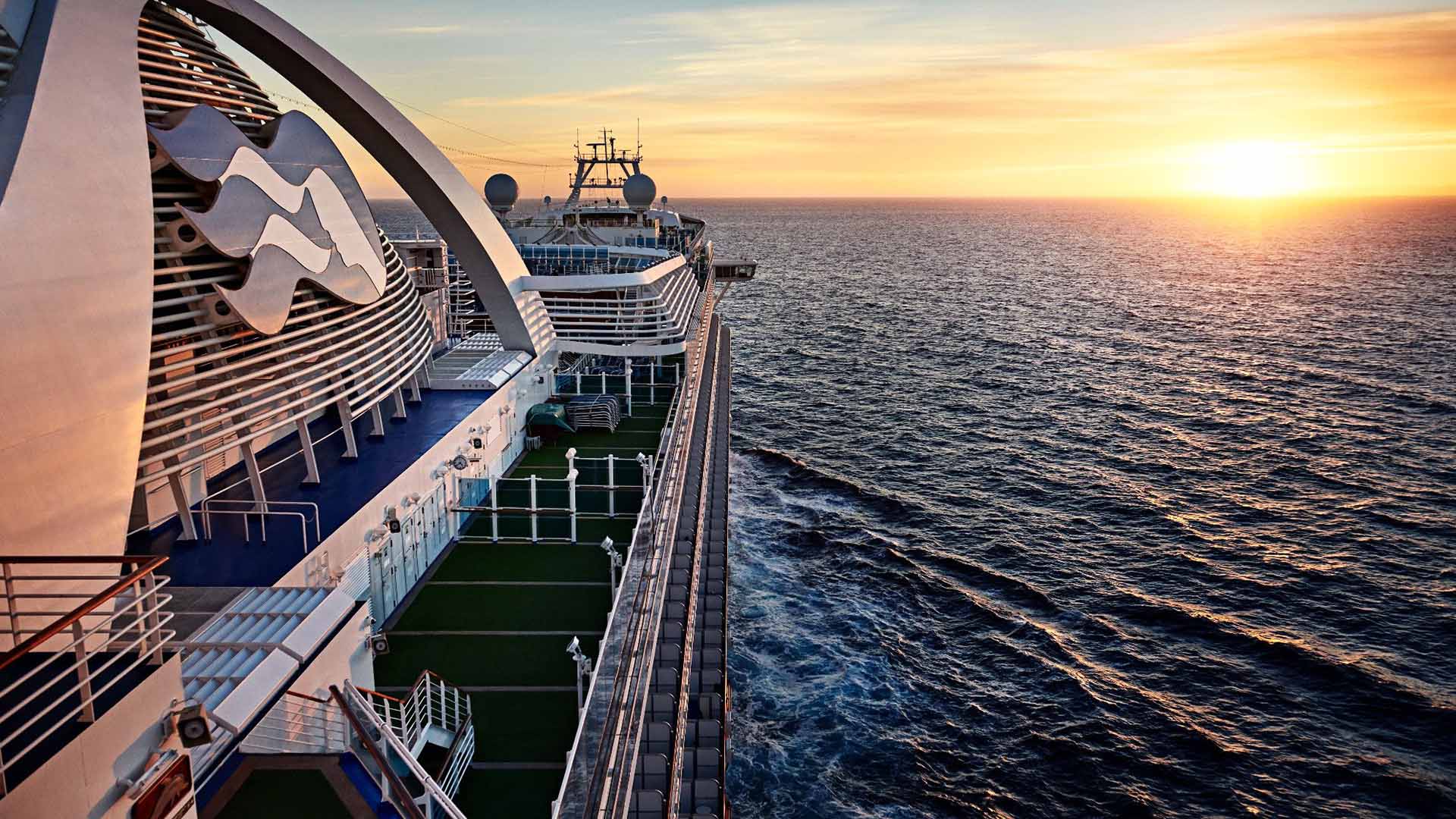
The mood on the ship also varies noticeably by region. Mediterranean cruises often feel festive and distinctly Western. The onboard food tends to be heavily influenced by Italian, Spanish, and Greek cuisine, dinners run late into the evening, and entertainment revolves around live music, theater-style shows, and terraces with sunset views.
On Asian itineraries, many cruise lines adapt the experience to local markets and culture. Dining options include sushi, ramen, dim sum, and other specialties prepared at a level of quality that often surprises Western passengers. Entertainment might range from Japanese calligraphy workshops to folk performances, and the overall atmosphere tends to be calmer and more orderly, with an almost reverential respect for shared spaces.
The best season for each destination
The Mediterranean is at its best from May through September, although the heart of summer, July and August, brings very high temperatures and heavy crowds. May and September offer a much more pleasant balance of good weather, fewer tourists, and more competitive prices, making them a favorite among experienced travelers.
Japan shines especially at two points in the year. In spring, from March to April, cherry blossoms, known as Sakura, transform the entire country into an unforgettable spectacle of pink. In autumn, from October to November, foliage turns into a palette of reds, oranges, and golds that can rival any landscape in the world. Both seasons are extremely popular, so booking well in advance is essential.
Southeast Asia, meanwhile, is at its best from November to February, when monsoon rains have ended and the heat is more manageable. Outside that window, intense rainfall and humidity can seriously affect the experience.

Shore excursions: observing vs experiencing
Excursion style is one of the most visible differences between the regions. In the Mediterranean, tours revolve around walking and taking things in. You visit cathedrals, ruins, museums, and centuries-old plazas, with stops for coffee, an aperitif, or a glass of local wine. The pace is relaxed and social, and schedules are treated more as guidance than obligation. There is room to improvise, get lost in an unplanned alley, and sit down for paella without checking the time.
In Japan, excursions are often built around experience and ritual. They may include tea ceremonies, visits to meticulously maintained Zen gardens, hot springs (onsen), and workshops where you try everything from calligraphy to origami. The pace is far more disciplined: Japanese guides typically follow itineraries with near-surgical precision, leaving less space for improvisation but allowing an impressive amount of content in a short time.
Language and independence: getting around on your own
Language barriers are another factor to consider. In the Mediterranean, most guides speak fluent English, and many also speak Spanish. Signs are written in the Latin alphabet, menus are often translated, and tourist services are well developed. All of this makes independent exploration easy, which many cruise travelers value highly.
In Japan and much of Asia, the situation is quite different. Outside the main tourist areas, English levels may be limited, and facing signs in kanji or kana can feel intimidating if you are not familiar with those writing systems. For that reason, cruise-organized excursions can offer significant added value: they save time, prevent logistical confusion, and local guides provide cultural and historical context that is hard to get on your own. Tools like Google Translate with the camera feature can be a very helpful complement for reading menus, signs, and posters when exploring independently.
Cultural immersion: two ways to connect with a place
In the Mediterranean, immersion often happens through everyday lifestyle. Travelers get swept up in the bustle of markets, street music, the aroma of spices in a souk, or the slightly chaotic charm of coastal cities. It is a sensory and spontaneous experience that does not require much preparation.
In Asia, immersion inevitably involves etiquette. Knowing when and how to bow, where to remove your shoes, which is mandatory in most temples, traditional homes, and some restaurants, or how to behave in a sacred place is not a minor detail. It is the doorway to a deeper understanding of the culture you are visiting. Learning these customs before the trip not only avoids awkward moments, but also enriches the experience and shows a respect that locals sincerely appreciate.
Planning and preparation: what to know before booking
For the Mediterranean, the key is booking early during high season. Reserving six to nine months in advance can mean meaningful savings and better cabin choices. It is also worth considering shoulder-season months, when the balance between price, weather, and crowd levels is at its best. Because many Mediterranean ports are central, building your own routes with a good maps app is often an excellent alternative to ship excursions, which do not always justify their price.
For Japan and Asia, preparation needs to be more thorough. Beyond arriving early to manage jet lag, it is wise to download translation apps that work offline and to get familiar with local etiquette. If your trip overlaps with cherry blossom season or autumn foliage, booking early is virtually mandatory, because demand drives prices up quickly. One detail that surprises many travelers is that, despite Japan’s ultra-modern image, cash still plays an important role: many small businesses, markets, and temples do not accept cards, so carrying some yen in cash is a smart precaution.

Practical considerations that apply to both destinations
No matter which route you choose, some logistical items are best handled months in advance. The first is visas: some countries require specific documentation even for brief cruise stops, and processing times can vary. Travel insurance is especially important for faraway destinations, where medical costs can be high and your usual coverage at home may not apply abroad.
Tipping policies are also worth attention. On many Asian cruises, gratuities are included in the ticket price, or tipping is simply not expected, while Mediterranean cruises often follow a model closer to the American style, with additional tips at the end of the trip. Finally, it is wise to check airline baggage restrictions, especially on transoceanic flights to Asia, where weight limits are often stricter than on flights within Europe.

Which one should you choose?
Ultimately, the answer depends on each traveler’s priorities. Anyone looking for architectural history within easy reach, simple logistics, and quick time-zone adjustment will find the Mediterranean hard to beat. Anyone seeking a radically different cultural immersion, ritual experiences found nowhere else, and who is willing to invest more time in preparation and adaptation will discover that Japan and Asia can leave a deep, lasting impression.
What matters most is not which one is “better” in the abstract, but which one fits the time available and your personal style. With the right planning, either route can become an extraordinary experience.