Welcome to a new article in our series about our experience on a cruise through Japan, embarking from South Korea. After our day in Jeju island, Nagasaki was our first stop in Japan aboard the Norwegian Spirit cruise ship in the summer of 2025. The entry process was quite quick, and the port where the cruise ship docks is very close to the city—you can walk there without needing to take a transfer, which makes getting around easier.
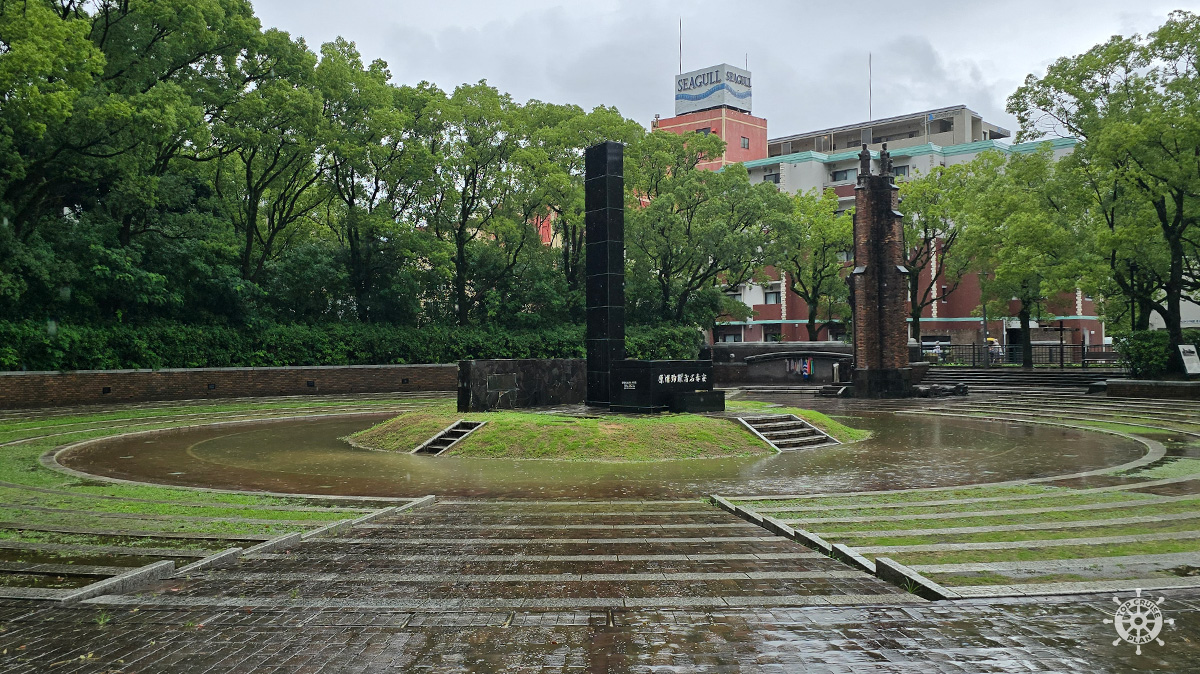
Before taking the cruise, we planned our excursions and prioritized them. In Nagasaki, our first choice was to visit the Peace Park and the Atomic Bomb Museum, as we consider it a very important part of history, as well as the reflections on the future that it entails. The Nagasaki Peace Park commemorates the atomic bombing of the city on August 9, 1945, during World War II. There is a black stone monolith that symbolizes the epicenter, although the explosion occurred 500 meters above that point—if it had reached the ground, that would have been the exact spot.
In Nagasaki, you can order taxis through the UBER app, which makes it much easier to manage transportation, directions, and payment. As soon as we left the ship, we requested one to take us to the Peace Park, and within minutes we were in the taxi. It’s important to keep in mind that in Japan, travel distances are typically long, so this needs to be considered when choosing excursions, which is why sometimes it’s more convenient to take other modes of transportation like the subway or train.
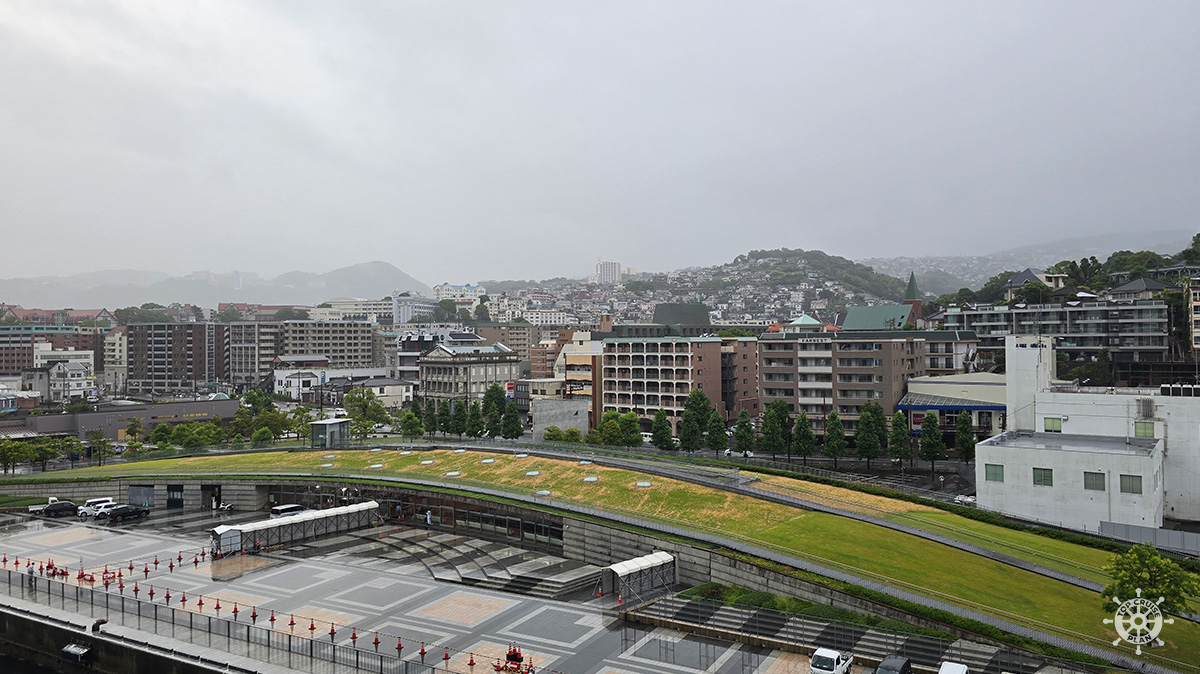
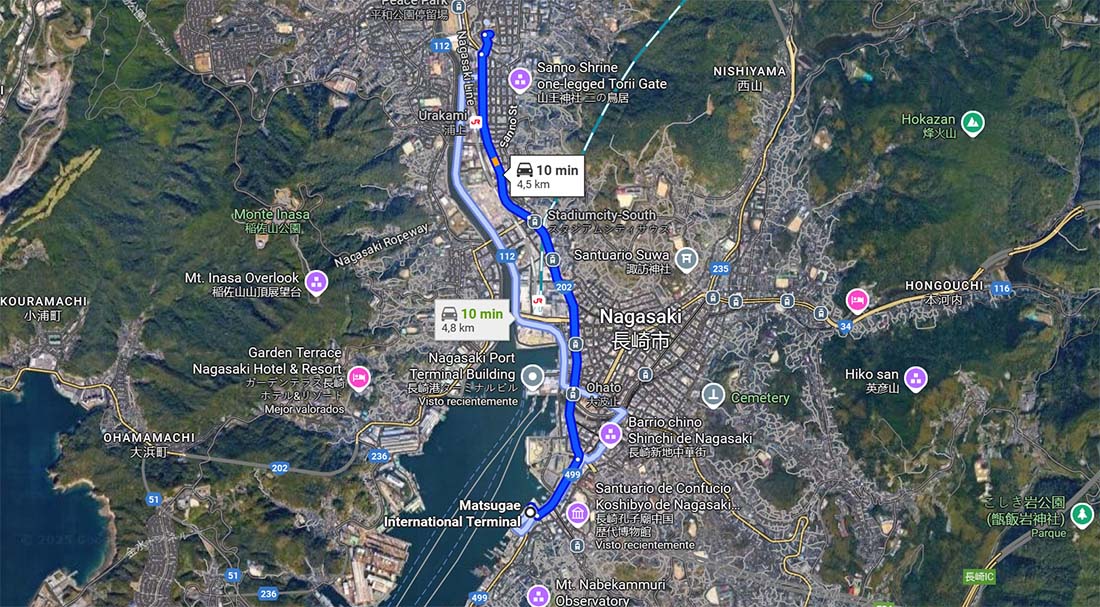
It’s always important to check the ship’s daily newsletter to know the exact location of the port. It’s not always the same for all cruises. In this case, it was the Matsugae International Terminal. Knowing this, you can better plan your routes and weigh the pros and cons of different transportation options. As you can see, the museum is about 4.5 km away by car.
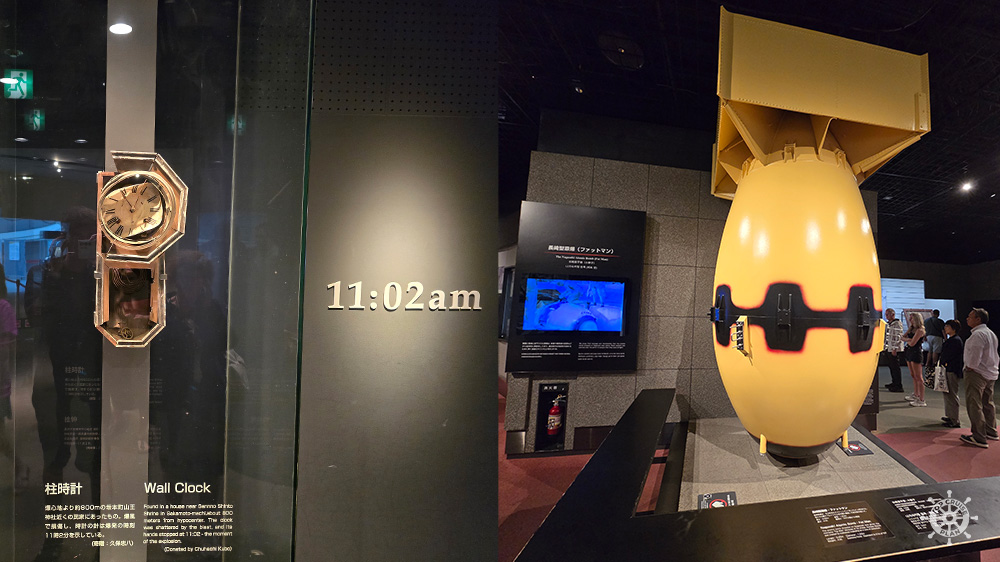
We had a rainy day and had to wear raincoats. When we arrived at the Peace Park, it was raining quite heavily, so we first went to the Atomic Bomb Museum. We got entry tickets with the Spanish audio guide, which we think is essential as it explains everything you see. The information is very comprehensive and engaging, while also being quite impactful—to the point where your heart aches thinking about the poor people who had to live through it. The devastating consequences persisted for generations.
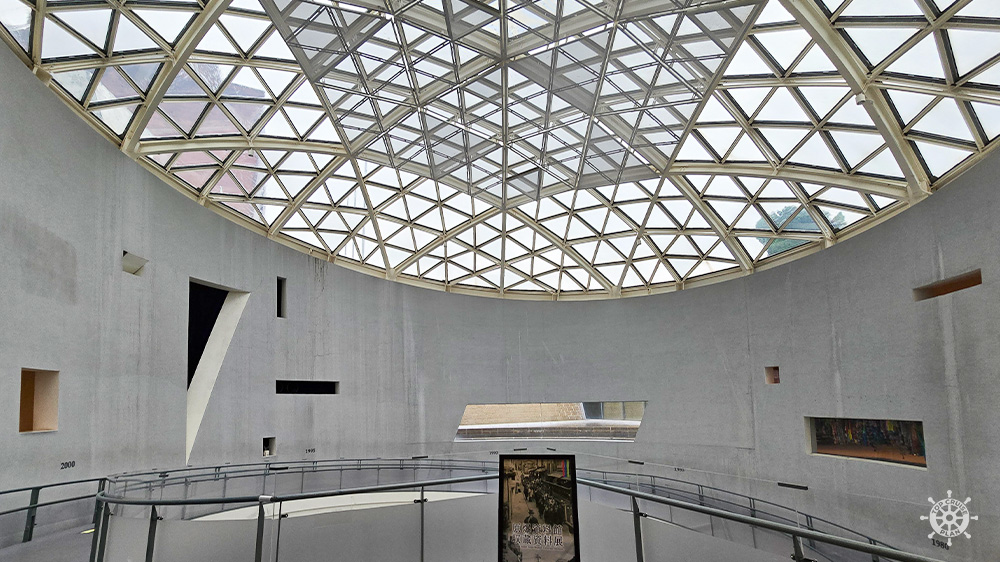
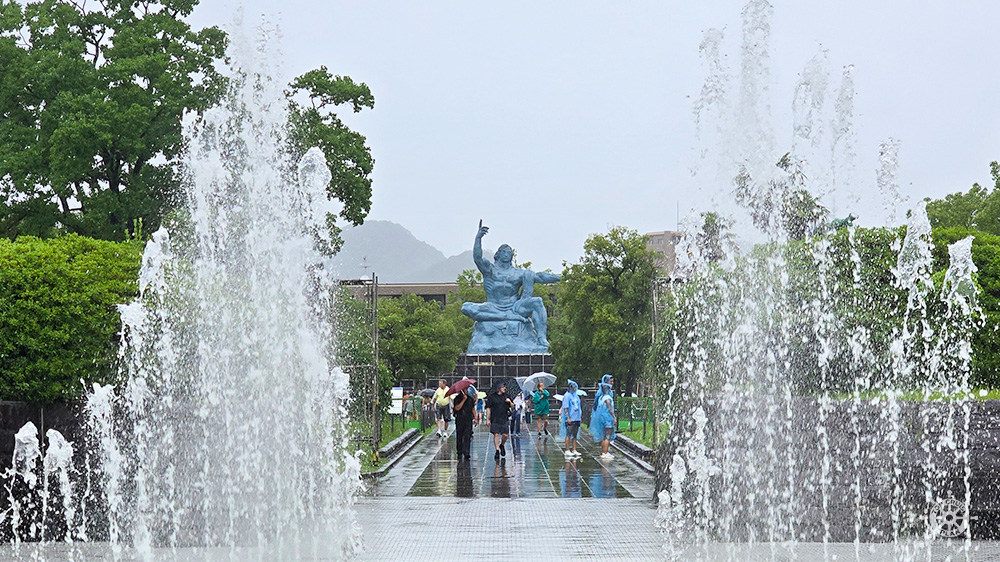
When we finished our visit to the museum, it was raining so much that we had to buy umbrellas at the museum’s souvenir shop. We had to see the Peace Park, the atomic bomb epicenter, and everything related to it while walking in the rain. The park is quite large and well-maintained, with all the details sufficiently explained by various signs that make it very interesting, but because it was raining so much, we had to do it more quickly.
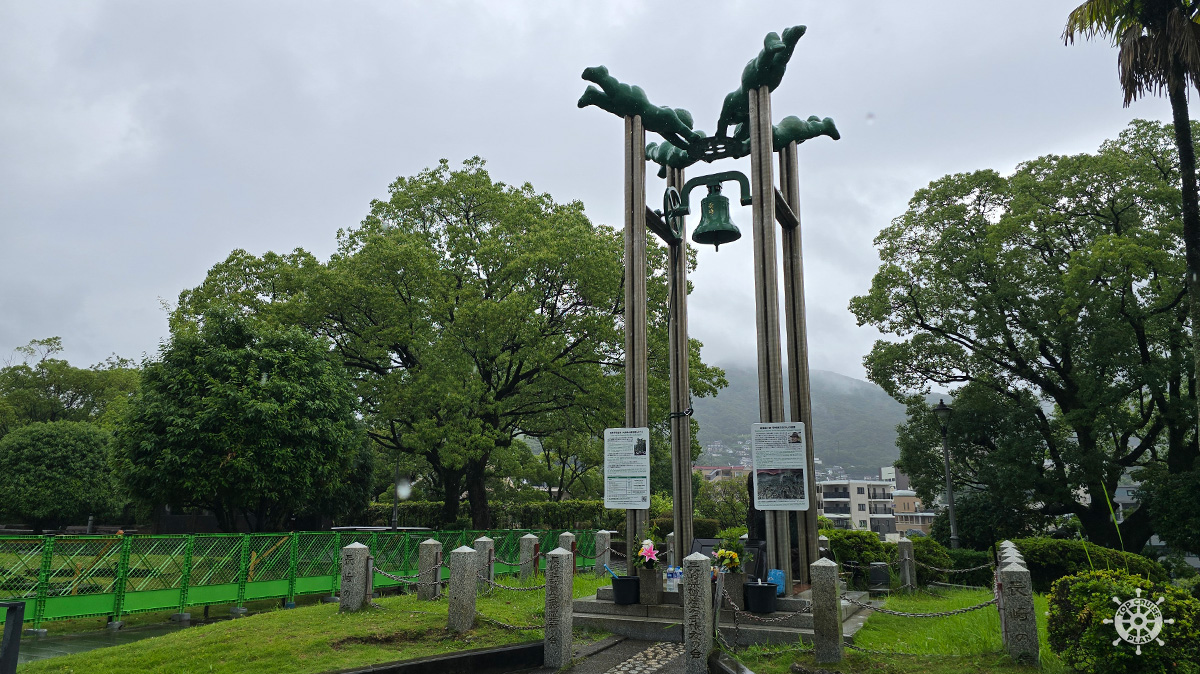
At the northern end stands the impressive 10-meter-tall bronze Peace Statue, depicting a seated man with his right hand pointing upward symbolizing the threat of nuclear weapons, while his extended left hand symbolizes eternal peace. Another notable place is the Peace Bell, which rings every year on August 9 at 11:02 AM along with all the bells in the city.
You can also see a pillar that remained standing from the former Urakami Cathedral—the rest was completely destroyed by the bomb. It’s all truly impressive and an essential visit.
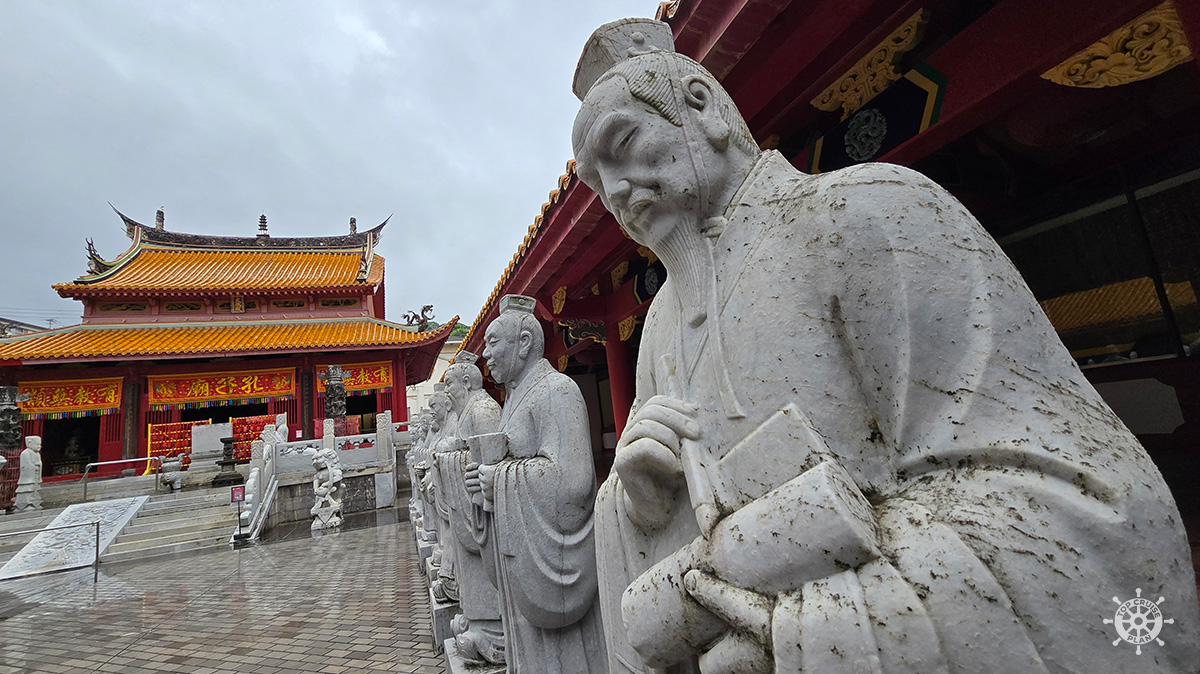
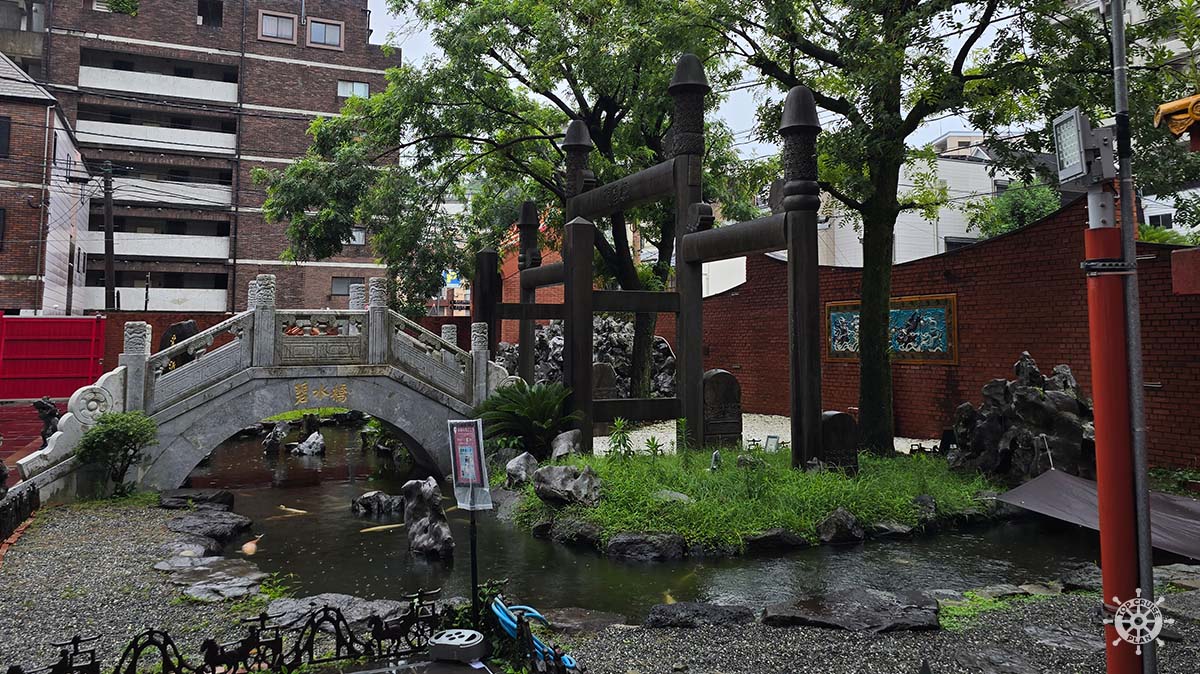
Once we finished, we visited the Confucius Shrine and the China Museum, which was quite close to the port, making it very convenient to visit. We spent little time here because they weren’t very large spaces, and there was no audio guide option.
How much does a visit to Nagasaki from a cruise ship cost? Here we explain the two alternatives, with exact figures of what it cost us on our own and what the most similar excursion offered by the cruise line would have cost. All prices are converted to euros, obtained directly from our card statements.
- UBER Taxi from port to Peace Museum: €17.70
- UBER Taxi from Peace Museum to Confucius Shrine: €15.07
- Tickets and audio guide for Nagasaki Museum: €2.08 / person
- Tickets for Confucius Shrine: €3.84 / person
Since we were traveling as a group of 3, dividing the cost of the taxis, it came to a total of €16.84 per person. This doesn’t include other typical expenses such as purchases in shops, and food or drinks you might want for a mid-morning snack. The cruise line’s excursion called “Highlights of Nagasaki,” lasting 3.5 hours, costs €166.56 per adult and €122.50 per child. In this case, the savings would be almost €150 per adult. We think that in this case, given the proximity of the port to the city and the facilities offered by the museum, it’s not worth opting for the excursion.
There are many times when excursions are truly necessary, especially when visiting more inaccessible places, covering long distances, and when you want the peace of mind of returning to the ship on time. It’s also worth considering the presence of a local guide and their experience, which helps you learn many details that would otherwise be difficult to discover. For this stop, as we’ve already mentioned, the location of the port makes it very accessible to plan well on your own. The advantage, apart from the cost, is that you can manage your time as you wish and go at your own pace.
After our planned visits, on the way back to the ship, we wandered through the quiet streets of Nagasaki, thus ending our first stop in Japan and a truly memorable visit. The next day we arrived in Kagoshima. The next article is now available to read: Kagoshima – Volcano and Sengan-en Gardens