Welcome to a new article in our series about our experience in South Korea and Japan aboard a cruise. After visiting Osaka, today we explore the city of Nagoya. Nagoya is Japan’s fourth most populous city. Most of its architecture was rebuilt after World War II, when it was severely damaged.
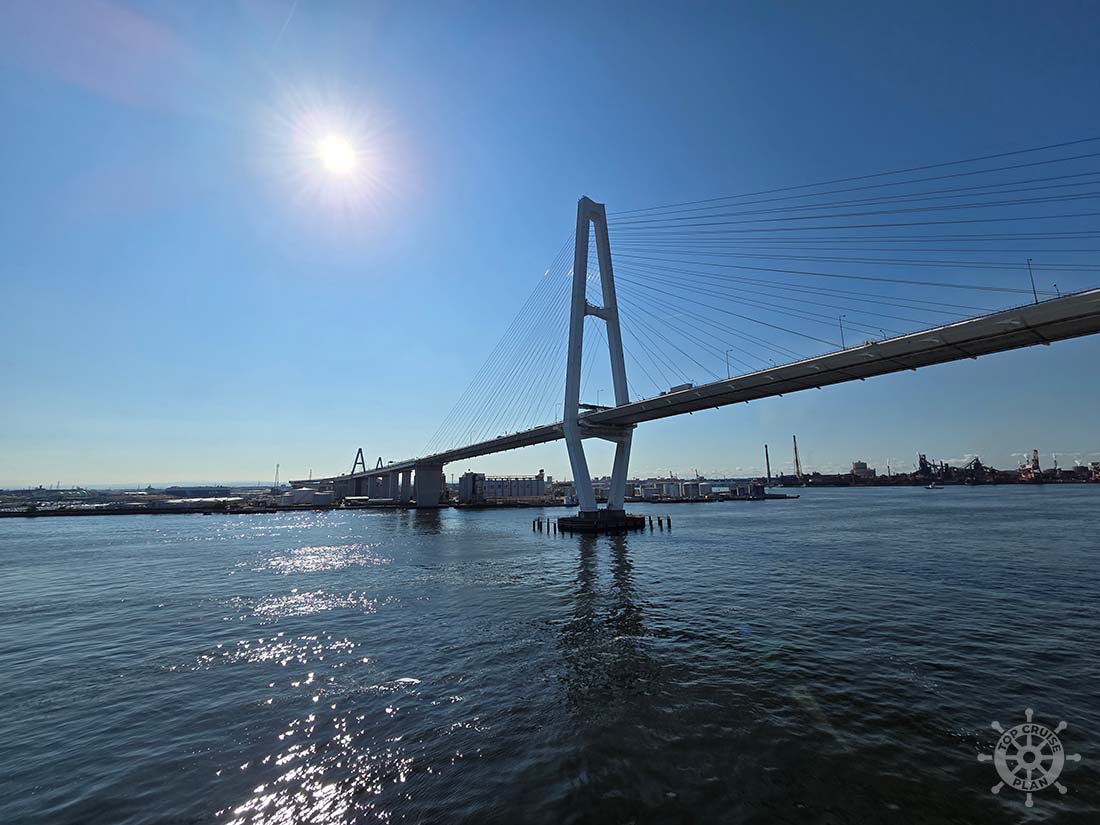
Arriving in Nagoya by sea immediately reveals an important and modern city. The cruise glides under the impressive Meiko Triton bridges, three cable-stayed structures in red, white and blue colors that form the iconic gateway to the port. As we approach the shore, in the Garden Pier area, we spot a beautiful Ferris wheel and the modern aquarium facilities. There’s also a lookout point you can climb, although we left it for the last minute and didn’t have time to visit it. The entire port environment is really beautiful, surrounded by tourist attractions and offering easy access to the city, either by walking or using the metro.
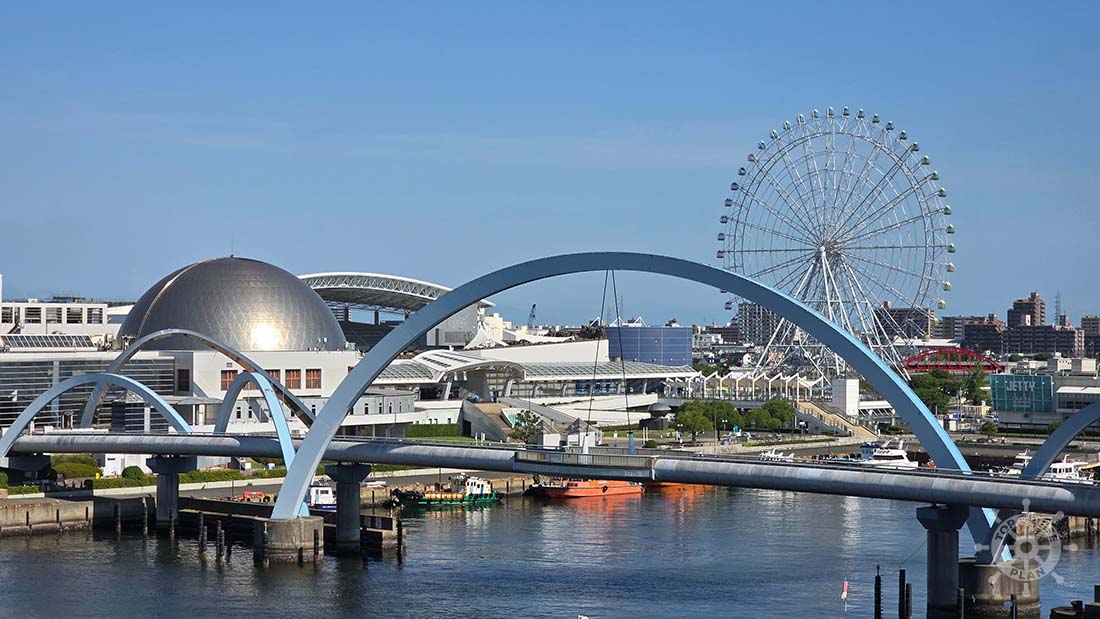
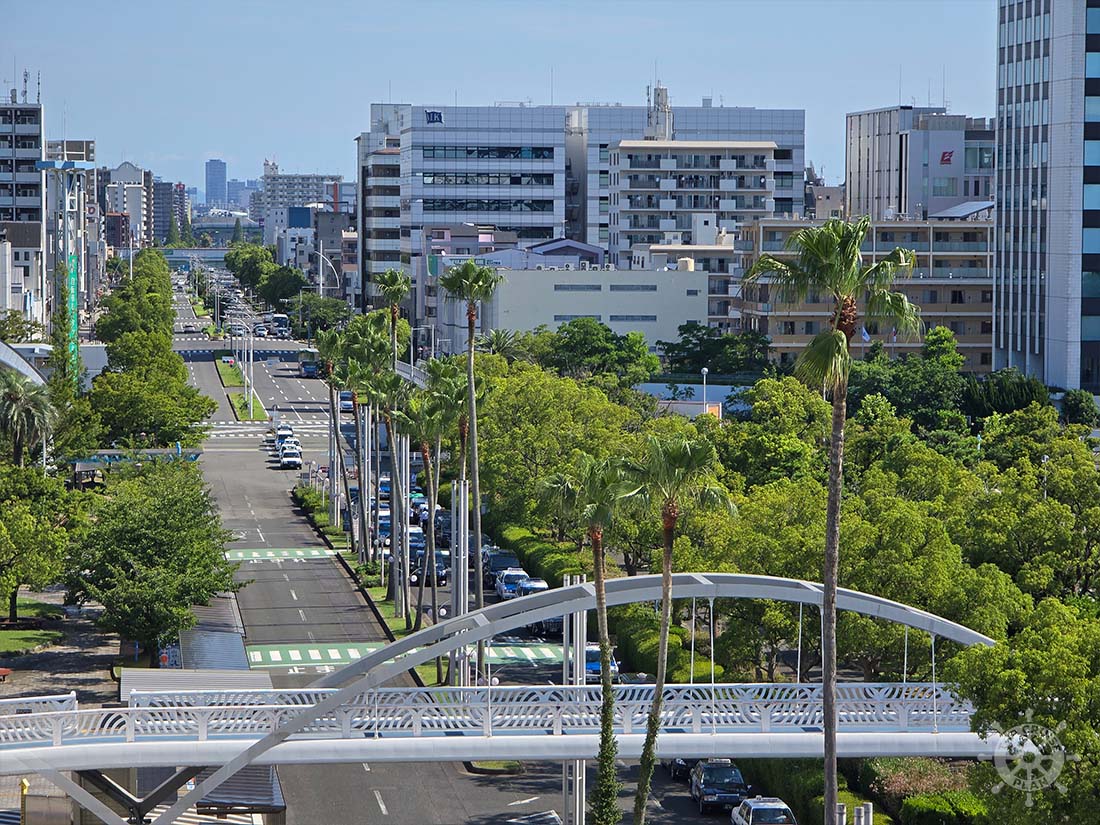
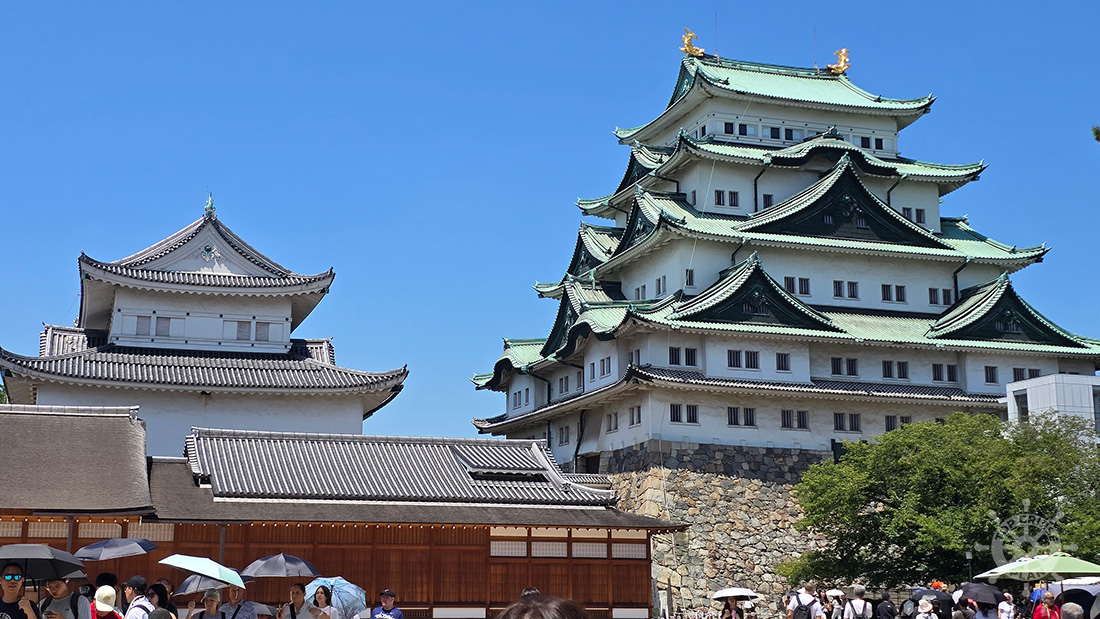
Nagoya is a dynamic industrial and cultural center that offers an attractive blend of history and modernity. The city’s main icon is the imposing Nagoya Castle, famous for its golden dolphins (kinshachi) and its reconstructed palace. For a spiritual immersion, the Atsuta Shrine is one of Japan’s most sacred, a true oasis of peace and tradition.
The city is also a paradise for technology lovers, with the Toyota Industry and Technology Memorial Museum and the SCMAGLEV and Railway Park, where everything from steam trains to the futuristic bullet train is exhibited. The commercial district of Sakae offers excellent shopping options, gastronomy, and panoramic views from the television tower, while the Osu neighborhood is ideal for exploring its shopping arcades (shotengai) and its lively popular culture.
During our stop in Nagoya, we decided to visit the castle and the Sakae commercial district, activities that occupied our entire morning. In the afternoon, we visited the Aquarium, which is located in the same port where our cruise ship docked.
Nagoya Castle
Nagoya Castle is surrounded by moats and robust stone walls that create an authentic historical atmosphere. Just to the north lies Meijo Park, a beautiful green space with gardens and a pond, ideal for walking and especially popular during cherry blossom season.
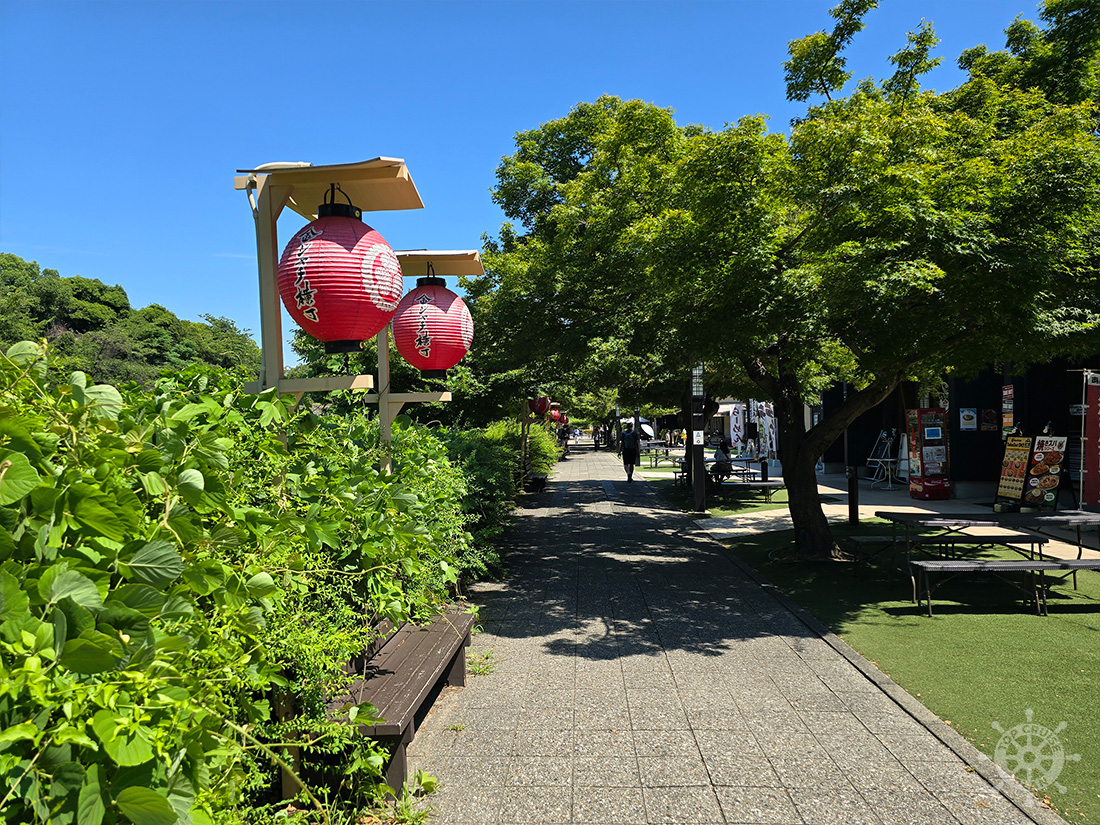
Outside the castle gates, the Kinshachi Yokocho area offers delicious local cuisine and souvenirs in an environment that combines modernity with traditional architecture.
Nagoya Castle is one of the most important fortresses in Japanese history and the undisputed symbol of the city. Originally built in the 17th century by order of Shogun Tokugawa Ieyasu, the castle was conceived as a strategic demonstration of power and headquarters for one of the most powerful branches of his clan. Its imposing main tower, or donjon, five stories tall, dominated the landscape and was crowned by the famous kinshachi, two ornaments in the shape of tiger-dolphins covered in gold that acted as protective talismans against fires and as emblems of the feudal lord’s authority.
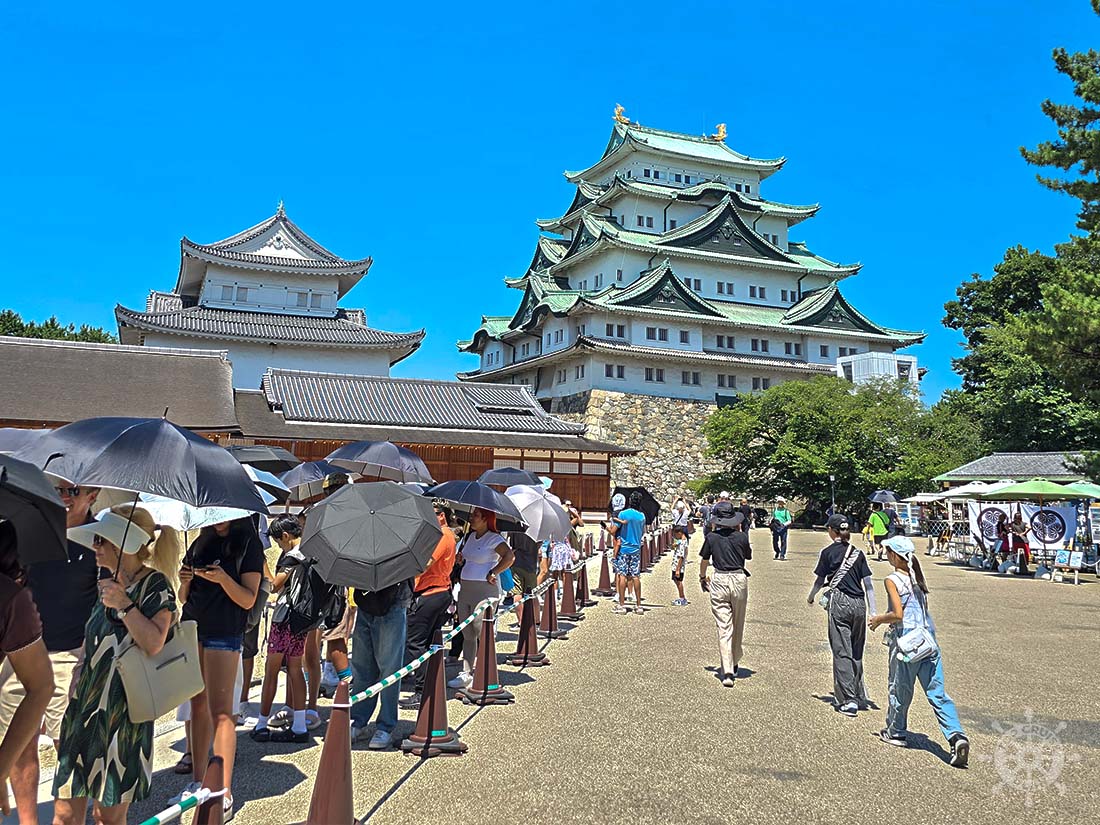
Although much of the original structure was destroyed during World War II bombing, the castle was meticulously reconstructed in 1959. Today, its interior houses a modern museum that exhibits samurai armor, swords, and historical objects. One of the jewels of the complex is the Hommaru Palace, recently restored with traditional craftsmanship techniques. Its rooms, decorated with exquisite paintings on cypress wood panels and gold leaf, offer a dazzling vision of the refinement and opulence that characterized the life of the great lords of feudal Japan.
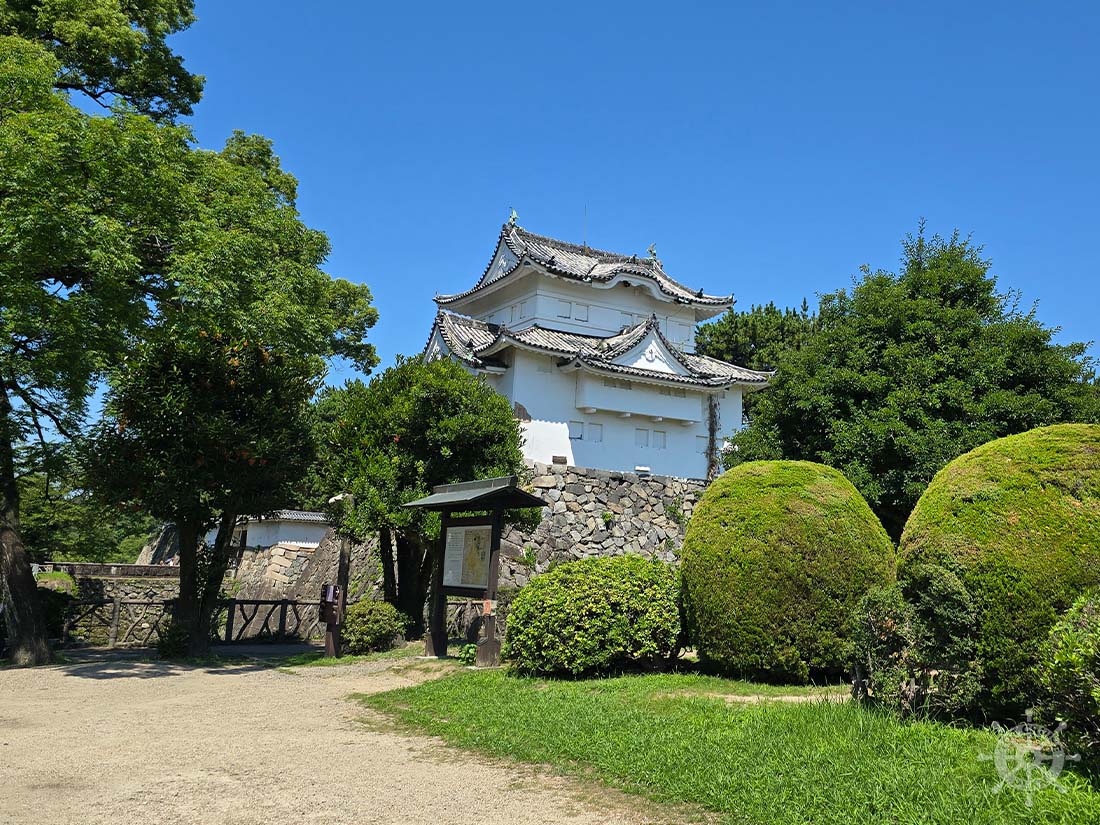
During our visit, we couldn’t access the inside of the castle because they were carrying out work to improve its anti-seismic protection. Despite this, the tour around the exterior seemed equally impressive to us.
Sakae
Sakae constitutes the true heart of Nagoya, being the main center for shopping, leisure, and nightlife in the city. During the day, its streets and luxury shopping centers, such as Matsuzakaya or Mitsukoshi, attract crowds looking for the latest trends. The district is defined by two iconic landmarks: the Nagoya TV Tower, which offers spectacular panoramic views, and the futuristic Oasis 21 complex. This “Water Spaceship” is famous for its floating glass roof that you can walk on, its underground bus terminal, and its variety of shops.
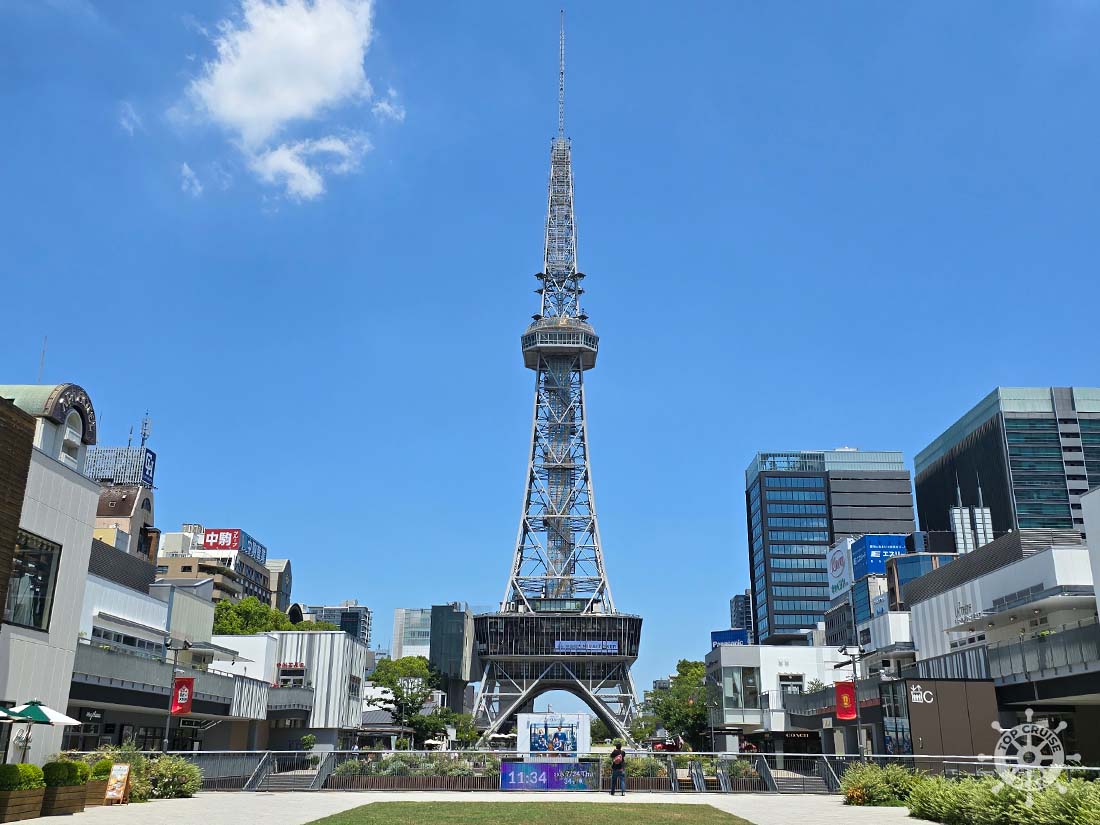
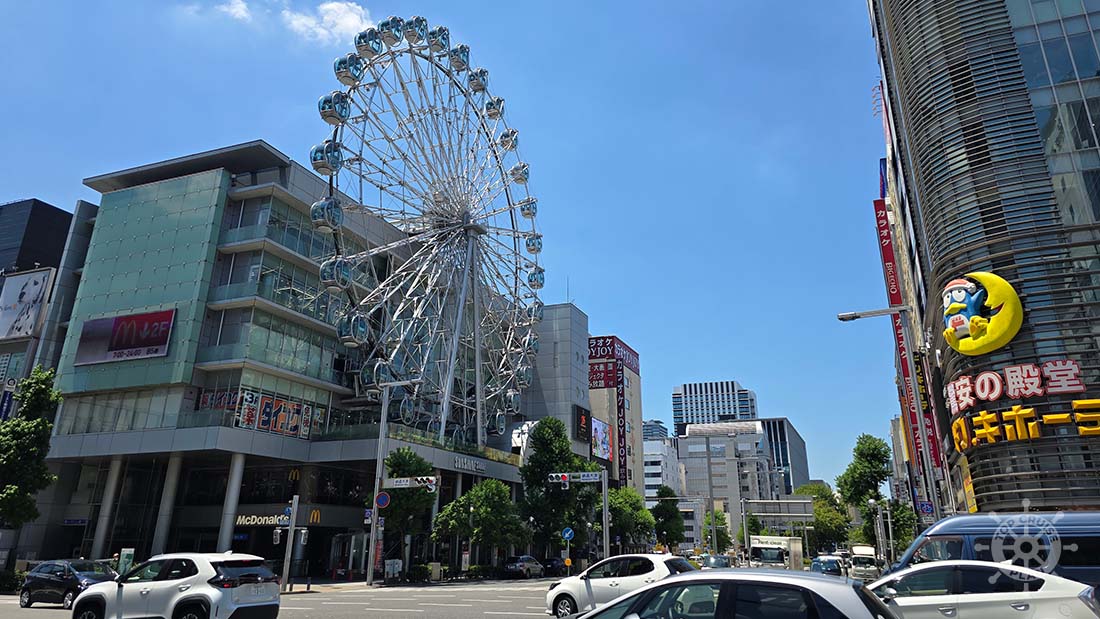
Our first destination upon arriving in Sakae was the TV Tower, where we took some photographs. Afterwards, we walked through the streets of the district and visited Don Quijote (Donqui), the famous chain of stores that has several floors filled with all kinds of products. There’s always something interesting to buy there. As is usual in these establishments, it was quite crowded. By the time we finished, it was time for lunch, so we decided to return to the ship.
Garden Pier and Aquarium
The Port of Nagoya, which has the highest cargo traffic in all of Japan, has transformed its main dock into an attractive family leisure center known as Garden Pier. Although its industrial facet remains crucial—it is the country’s largest automobile exporter—the tourist area offers a completely different experience.
The heart of the entertainment is the spectacular Port of Nagoya Public Aquarium, one of the largest in Japan, famous for its orcas, belugas, and dolphins. Next to it, you can explore the Antarctic Vessel Fuji Museum, an authentic icebreaker that participated in polar expeditions.
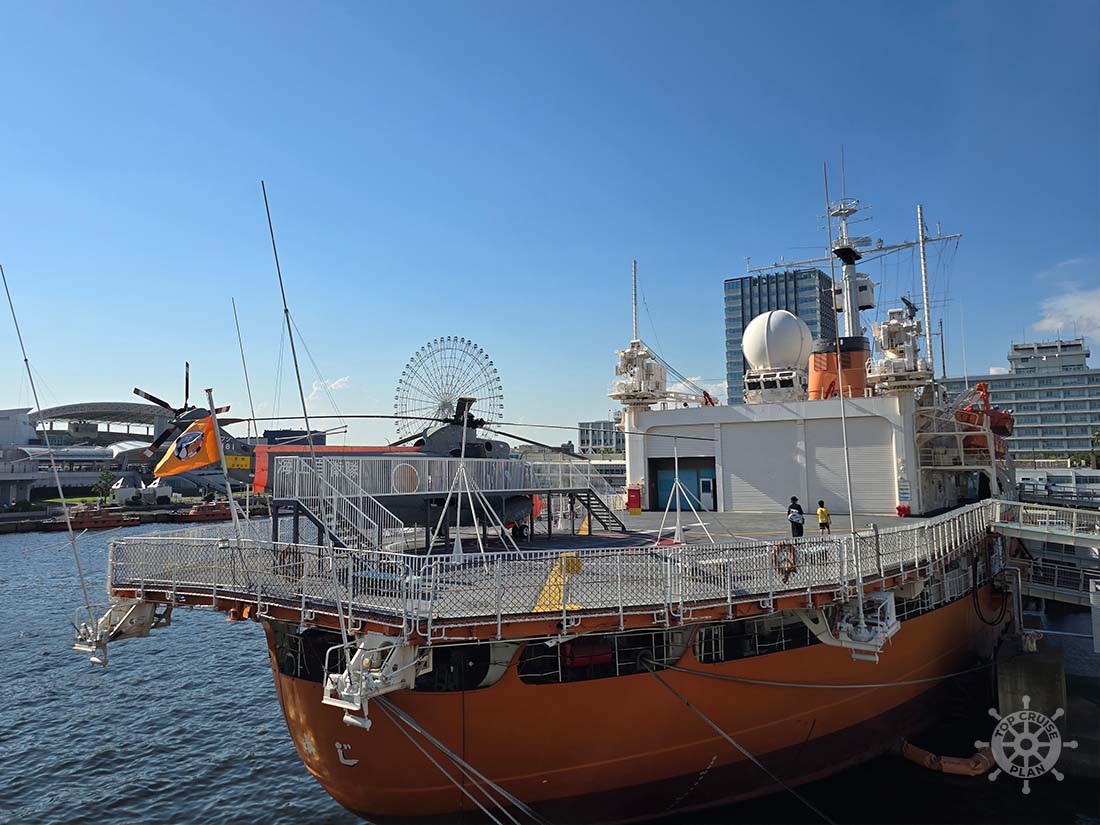
The complex also features an amusement park, museums, shops, and extensive green areas by the sea. This successful combination of industry and leisure makes the port a very attractive destination that showcases the two faces of modern Nagoya: its economic power and its wide range of entertainment.
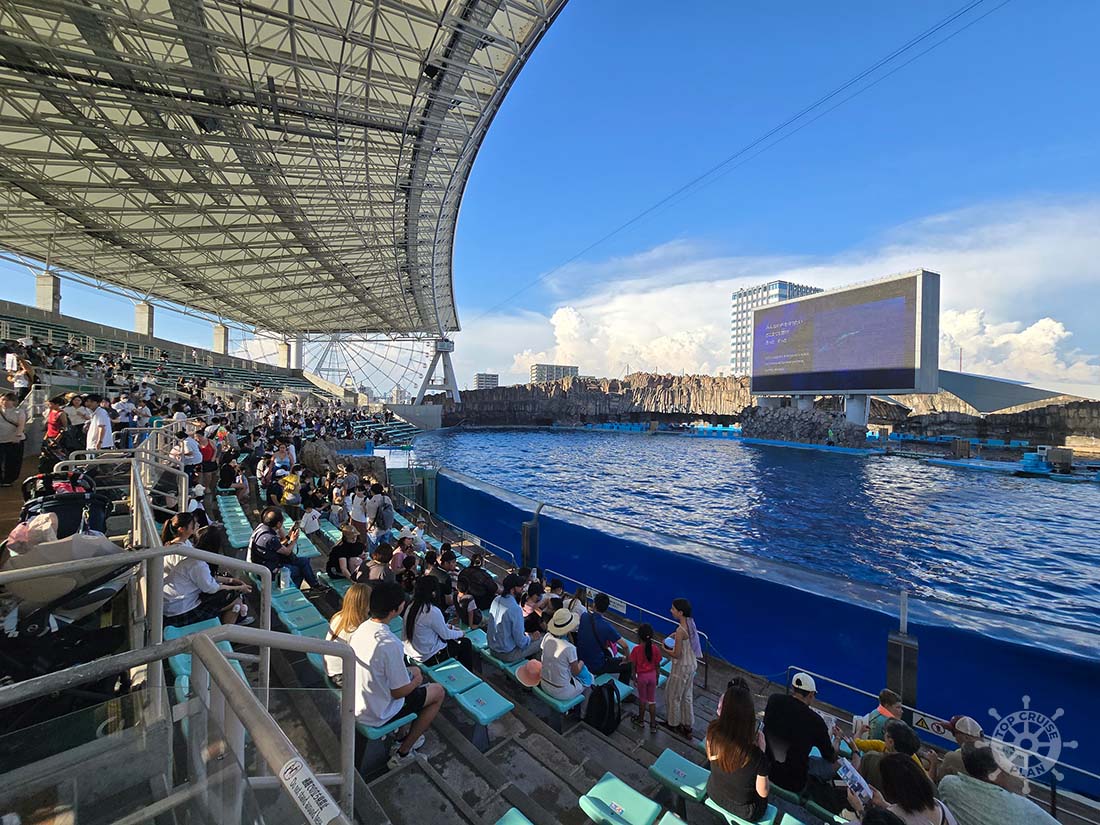
The Port of Nagoya Public Aquarium is one of the largest and most impressive in Japan, offering a fascinating journey through marine life. It is divided into two large buildings, each with a different theme. The South Building takes visitors on a journey “From Japan to the Antarctic Ocean,” passing through five aquatic ecosystems. Here you’ll find the famous Kuroshio Tank, which reproduces Japan’s ocean currents and houses an incredible exhibition of sardines, as well as colorful coral reefs and sea turtles. The route culminates in the icy world of Antarctica, home to an adorable colony of penguins.
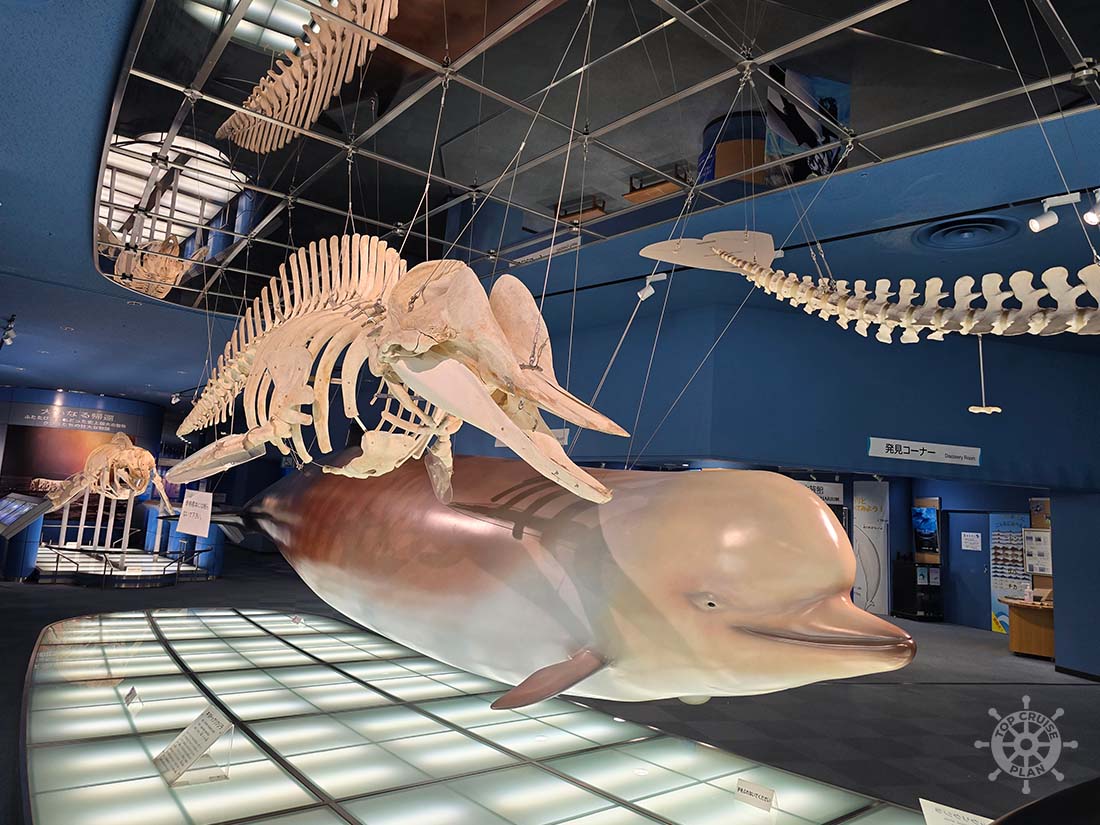
The North Building is dedicated to large marine mammals. It is one of the few places in Japan where you can admire majestic orcas. It also houses the charming belugas, which communicate with their characteristic sounds, and an energetic pod of dolphins. The highlight of the visit is undoubtedly the dolphin show, which takes place in the main stadium, one of the largest outdoor pools in the world. It’s a highly recommended experience, especially considering its convenient location close to where the cruise ship docks.
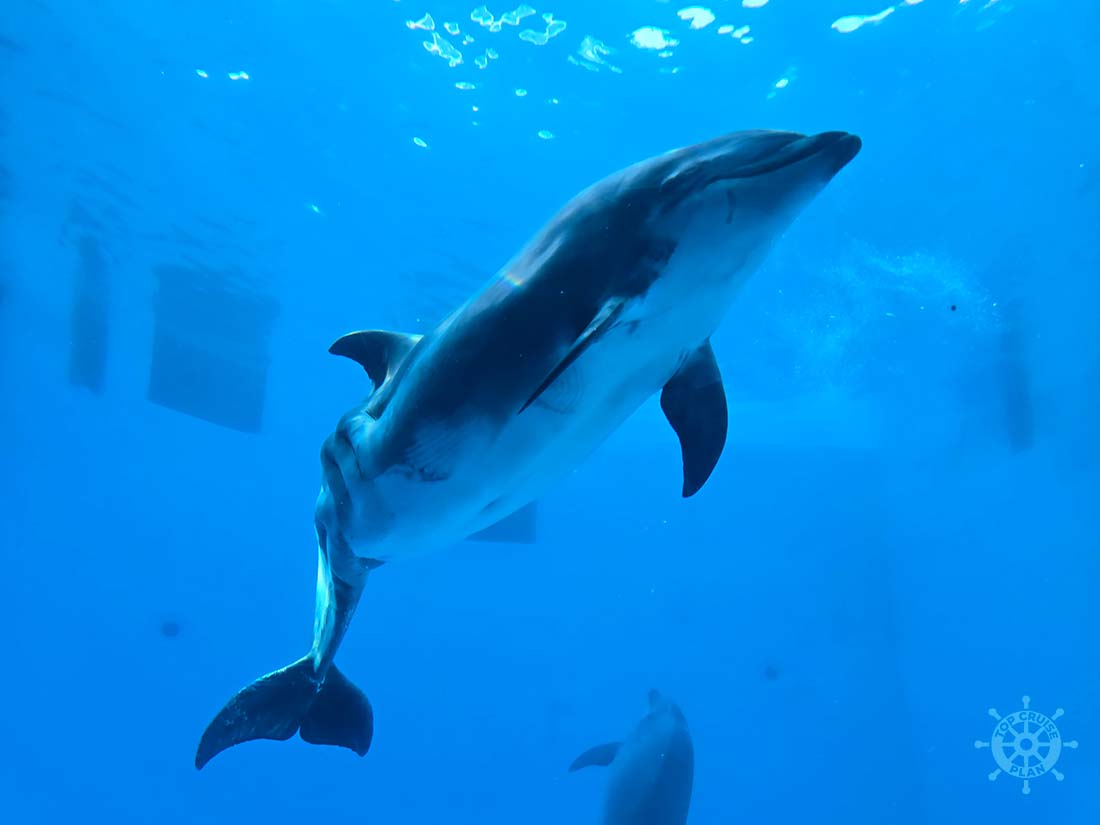
After enjoying the aquarium, we returned to the ship, thus concluding our visit to Nagoya. The next day, Shimizu awaits us, the gateway to majestic Mount Fuji. Go to the next article: Shimizu – Mount Fuji from a cruise